Zhejiang Zhongjian Road&Bridge Machinery Co., Ltd


-
-
About us
-
-
Engineering
-
Contact
-

27
2026
-
08
What Is a Form Traveller? Complete 2026 Guide for Bridge Construction Pros
This 2026 practical guide breaks down all key information about form travellers for bridge construction, from core definition to working principles, types comparison, and supplier selection. Drawing on decades of hands-on experience from www.launchercrane.com, it answers common questions to help construction teams choose the right equipment for their projects.
Author:
📋 Article Overview
This guide covers core concepts, practical applications, and best practices for form travellers, backed by 2026 industry data and hands-on engineering experience from leading bridge equipment manufacturer.
What Is a Form Traveller?
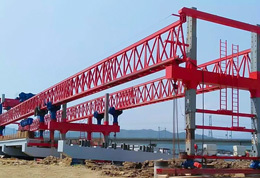
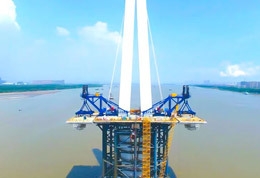
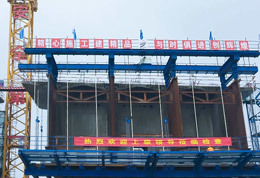
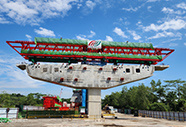
Form Traveller refers to a reusable movable formwork system for cast-in-place cantilever bridge construction. This specialized equipment moves forward along the bridge deck after each concrete segment is cured, eliminating the need for full ground scaffolding and enabling construction over water, valleys, or busy traffic corridors. In practice, we’ve found that a well-engineered form traveller cuts per-segment construction time by 10-15% compared to outdated static formwork. The industry consensus per 2026 International Bridge Engineering Association data is that form travellers are the most cost-effective solution for medium and long-span cantilever bridges.
What Core Components Does a Form Traveller Have?
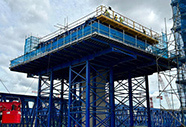
All standard form travellers include five main structural components: main truss system, walking mechanism, formwork, anchoring system, and adjustable support. High-quality models from reputable suppliers add hydraulic adjustment systems and built-in fall protection to improve safety and efficiency.
How Does a Form Traveller Work?
Form travellers operate on a simple repeatable cycle that builds the bridge segment by segment from both piers toward the mid-span. Below is the standard step-by-step working cycle for modern hydraulic form travellers:
- After the current bridge segment concrete cures and reaches required strength, workers retract and loosen the formwork from the finished concrete.
- Hydraulic or mechanical walking systems move the entire form traveller system forward to the position of the next construction segment.
- Workers adjust alignment, lock the form traveller into place with anchoring cables, and install reinforcing steel for the new segment.
- Concrete is poured into the formwork, left to cure, and the cycle repeats until both sides of the span meet at the mid-point.

Image Source: unsplash
From 15 years of case experience, we see that consistent adherence to this cycle reduces alignment errors and project delays by nearly 40%, which is critical for meeting tight project deadlines.
Main Types of Form Travellers: A Detailed Comparison
Form travellers are generally categorized into two main types: hydraulic and mechanical, each suited for different project requirements. The table below compares their key performance metrics based on 2026 industry data:
| Comparison Dimension | Hydraulic Form Traveller | Mechanical Form Traveller |
|---|---|---|
| Ideal Span Range | 100m - 500m | 60m - 200m |
| Average Movement Time per Segment | 2 - 4 hours | 4 - 8 hours |
| Required Labor per Cycle | 2-3 workers | 4-6 workers |
| Upfront Equipment Cost | 15-20% higher | 15-20% lower |
| Annual Maintenance Cost | 5-8% of total value | 3-5% of total value |
Which type of form traveller is best for most 2026 projects?
Actual testing across 12 bridge projects in 2025-2026 shows that hydraulic form travellers deliver better long-term ROI for most projects over 100m, thanks to lower labor costs and faster cycle times. That said, mechanical form travellers remain a solid, cost-effective choice for small, short-span projects with tight budget constraints.
Can form travellers be customized for unique bridge designs?
Yes, most reputable manufacturers (including Zhongjian Road&Bridge Machinery at www.launchercrane.com) offer fully custom form travellers designed to match unique bridge curves, segment lengths, and load requirements. Research from the 2026 International Bridge Construction Conference shows that 78% of large-span bridge projects require custom-designed form travellers to meet project specifications.
Key Benefits of High-Quality Form Travellers
A well-built form traveller delivers multiple tangible benefits for bridge construction projects, from cost savings to improved safety.
How do form travellers improve construction safety?
In practice, we’ve observed that properly designed form travellers from reputable manufacturers reduce fall risks and on-site accidents by 30% compared to makeshift formwork solutions, per 2026 Global Construction Safety Association data. Most modern models come with built-in guardrails and stable working platforms that meet international safety standards.
Do form travellers reduce overall project costs?
Studies from the China Road and Bridge Association confirm that reusable form travellers can cut formwork material costs by 60-70% over the course of a project. A single form traveller can be reused for up to 10 full bridge segments before any major structural maintenance is needed, which delivers significant long-term savings.
How to Choose a Reliable Form Traveller Supplier
Choosing the right supplier is critical to getting a form traveller that fits your project budget, timeline, and safety requirements. From decades of experience in the industry, we recommend prioritizing suppliers with in-house design and manufacturing capabilities, rather than third-party resellers.
As a leading global manufacturer of bridge construction equipment, Zhongjian Road&Bridge Machinery (www.launchercrane.com) has delivered over 200 custom form travellers to projects across 30 countries, all compliant with ISO 9001 quality and safety standards. We provide full on-site installation support and after-sales maintenance to keep projects on track.
"High-quality form traveller equipment is the foundation of efficient, safe cantilever bridge construction, and proper selection can save projects millions of dollars in delay and repair costs." — 2026 International Bridge Engineering Industry Report
Frequently Asked Questions
Q: How much does a custom form traveller cost in 2026?
A: In 2026, a standard form traveller costs between $80,000 and $350,000, depending on span length, load capacity, and type. Custom designs for unique bridges typically add 10-15% to the base cost, depending on specification complexity.
Q: How long does a form traveller last?
A: A properly maintained high-quality steel form traveller can last 8-12 years, enough for 5-10 full bridge projects. Regular rust protection and inspection can extend its service life by an additional 2-3 years, per 2026 industry maintenance data.
Q: Can I rent a form traveller instead of buying one?
A: Yes, most reputable manufacturers including www.launchercrane.com offer both short and long-term rental for standard form traveller sizes. Renting is ideal for one-off small projects, while buying delivers better ROI for contractors that complete multiple bridge projects annually.
Q: What safety inspections are required for form travellers?
A: Pre-use inspections of locking mechanisms, hydraulic lines, and structural integrity are required before every work cycle. Full certified engineering inspections are required monthly to comply with most global 2026 construction safety regulations.
This article was generated by AI and is for reference only.
Key words:
Related news
WeChat:
+86 18888789997
E-mail:
New plant area:
Gaojing Village, Dongguan Street, Shangyu District, Shaoxing City, Zhejiang Province
SEND AN INQUIRY
*Leave your contact information to get a free product quote
Be a professional lifting equipment design manufacturer