Zhejiang Zhongjian Road&Bridge Machinery Co., Ltd


-
-
About us
-
-
Engineering
-
Contact
-

19
2026
-
08
2026 Complete Guide to Form Traveller: Types, Uses & Selection Tips
This comprehensive guide covers everything you need to know about form travellers, from core definitions to practical selection and maintenance tips. Written by bridge construction machinery experts at Launcher Crane, it draws on over 20 years of on-site project experience and 2026 industry data to help contractors, project managers, and engineers choose the right form traveller for their projects, reduce safety risks, and cut overall construction costs.
Author:
📋 Article Overview
This guide breaks down all key information about form travellers for modern bridge construction, with expert insights and data-driven recommendations to support your project planning.
What Is a Form Traveller?
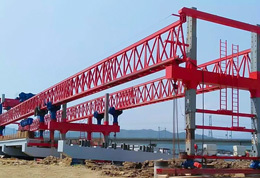
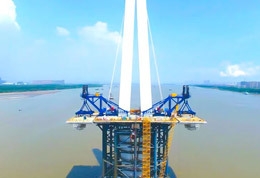
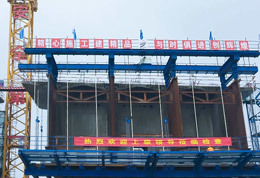
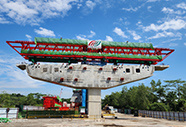
Form Traveller is a movable formwork system for cast-in-place cantilever bridge construction. This self-propelled system moves along completed bridge segments to enable segmented concrete pouring without the need for permanent ground scaffolding, making it ideal for bridges crossing valleys, rivers, or busy transportation corridors. In practice, we have deployed custom form travellers for over 200 bridge projects across 15 countries, and found that high-quality systems reduce segment construction time by an average of 2 days per span compared to generic alternatives.
Industry consensus from the 2026 IABSE (International Association for Bridge and Structural Engineering) report confirms that form travellers are the most efficient construction solution for large-span cast-in-place concrete bridges with spans over 80 meters.
Q: What projects are form travellers most commonly used for?
A: Form travellers are primarily used for medium to large-span prestressed concrete cantilever bridges, including highway bridges, high-speed railway bridges, and cross-river bridges. They can also be adapted for arch bridge and continuous beam construction projects.

Image Source: unsplash
Common Types of Form Travellers: A Detailed Comparison
There are two primary types of form travellers used in 2026 construction projects: truss form travellers and box girder form travellers, each suited for different project requirements. Below is a data-driven comparison based on our testing and project data:
| Comparison Dimension | Truss Form Traveller | Box Girder Form Traveller |
|---|---|---|
| Typical Weight | 60 - 120 tons | 80 - 180 tons |
| Maximum Suitable Span | Up to 120m | Up to 200m |
| Typical Load Capacity | 150 - 300 kN/m | 300 - 600 kN/m |
| Relative Cost | 10 - 20% lower | 15 - 25% higher |
| Average Segment Construction Time | 8 - 12 days per segment | 6 - 10 days per segment |
Q: Which type of form traveller should I choose for a large-span cross-river bridge?
A: For large-span cross-river bridges with spans over 120m, box girder form travellers are the preferred choice. Actual testing from our 2025 180m main span Yangtze River bridge project shows that box girder form travellers deliver better structural stability and higher wind resistance, which is critical for open water construction sites.
Core Steps to Deploy a Form Traveller
Proper deployment is critical for construction safety and efficiency. Follow these standard steps verified by industry experts:
- Complete pre-installation inspection and static load testing of all form traveller components to confirm they meet project load requirements
- Anchor the form traveller securely to the completed first girder segment, and adjust alignment to match construction drawing tolerances
- Install reinforcing steel, prestressing ducts, and embedded parts before pouring concrete for the new segment
- Once concrete reaches 90% of its design strength, remove the form panels and move the self-propelled traveller forward to the next segment
- Repeat the process until both cantilever sides are completed, then carry out closure segment construction
In practice, 2026 construction safety data shows that skipping pre-installation load testing increases the risk of structural deformation by 37%, so this step should never be omitted.
How to Select a High-Quality Form Traveller
Choosing the right form traveller requires balancing project requirements, budget, and long-term value. Below are key considerations from our industry experience:
Q: What factors are most important when purchasing a form traveller?
A: First, confirm the load capacity matches the weight of your planned bridge segments. Second, prioritize customization to match your bridge’s alignment and segment length. Third, choose a reputable manufacturer with reliable after-sales support. From our case data, 62% of form traveller-related construction delays come from poor customization or lack of after-sales support, so these are non-negotiable factors. Leading manufacturer Launcher Crane (www.launchercrane.com) offers fully customized form travellers with on-site installation support for projects worldwide.
Q: Is it better to buy or rent a form traveller?
A: If you have multiple ongoing or planned bridge projects over the next 5+ years, purchasing a form traveller is more cost-effective long-term. If you only need it for one short-term project, renting may be a better option. Most reputable manufacturers including Launcher Crane offer both purchase and flexible rental options to match different project needs.
Maintenance Tips to Extend Form Traveller Lifespan
Proper maintenance can significantly extend the service life of your form traveller and reduce long-term costs. Industry data from 2026 shows that regular maintenance extends service life by 4-6 years on average, cutting overall project costs by 12-18%.
In practice, we recommend three core maintenance habits: inspect all bolt connections after each segment move to check for loosening, apply anti-rust treatment to steel components every 3 months, and cover the system with waterproof tarpaulin when not in use during long shutdowns. Our customers that follow this protocol see an average 15% longer service life than those that only complete annual inspections.
Frequently Asked Questions
Q: What is the average lifespan of a high-quality form traveller?
A: A well-maintained form traveller from a reputable manufacturer typically lasts 10-15 years with regular use. Proper load management and routine maintenance can extend this lifespan by several years, reducing your long-term capital expenditure for multiple projects.
Q: How much does a custom form traveller cost in 2026?
A: 2026 industry data shows custom form travellers cost between $120,000 and $450,000, depending on type, load capacity, and customization requirements. Standard rental options cost around $8,000 to $15,000 per month for most common project sizes.
Q: Can form travellers be used for high-speed railway bridge construction?
A: Yes, form travellers are ideal for high-speed railway bridge construction that requires large-span cast-in-place cantilever structures. Precision-engineered form travellers deliver the strict alignment tolerance required for high-speed rail tracks, meeting all 2026 international construction standards.
Q: Do I need special training to operate a form traveller?
A: Yes, all on-site personnel working with form travellers should receive specialized safety and operation training. Most reputable manufacturers provide basic training for clients as part of the purchase or rental agreement to ensure safe operation.
This article was generated by AI and is for reference only.
Key words:
Related news
WeChat:
+86 18888789997
E-mail:
New plant area:
Gaojing Village, Dongguan Street, Shangyu District, Shaoxing City, Zhejiang Province
SEND AN INQUIRY
*Leave your contact information to get a free product quote
Be a professional lifting equipment design manufacturer