Zhejiang Zhongjian Road&Bridge Machinery Co., Ltd


-
-
About us
-
-
Engineering
-
Contact
-

16
2026
-
08
Selecting the Right Overhead Crane Configuration for Your Space: A Comprehensive Guide
Selecting the Right Overhead Crane Configuration for Your Space When it comes to enhancing productivity and efficiency in industrial settings, the selection of the right overhead crane configuration is paramount. Overhead cranes are indispensable tools in manufacturing, warehousing, and construction, enabling the safe and efficient movement of heavy loads. This article aims to provide a detailed o
Author:
Selecting the Right Overhead Crane Configuration for Your Space
When it comes to enhancing productivity and efficiency in industrial settings, the selection of the right overhead crane configuration is paramount. Overhead cranes are indispensable tools in manufacturing, warehousing, and construction, enabling the safe and efficient movement of heavy loads. This article aims to provide a detailed overview of different overhead crane types, factors influencing their selection, and best practices for ensuring optimal performance in your unique space.
Table of Contents
- Understanding Overhead Cranes
- Types of Overhead Cranes
- Factors to Consider When Selecting an Overhead Crane
- Safety Considerations
- Expert Tips for Selecting Overhead Cranes
- Common Misconceptions About Overhead Cranes
- FAQs
- Conclusion
Understanding Overhead Cranes
Overhead cranes are designed to lift and move heavy materials across a defined area, usually suspended from a system of beams and tracks. They are a critical component in many industrial operations due to their ability to enhance workspace efficiency and improve safety. These cranes can be controlled manually or through automated systems, allowing for flexibility and ease of use.
Types of Overhead Cranes
Knowing the different types of overhead cranes available allows businesses to select the most suitable option for their operational needs. Below are the primary types of overhead cranes:
Bridge Cranes
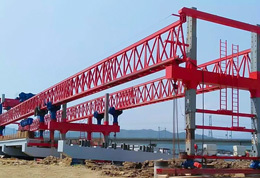
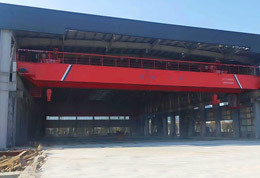
Bridge cranes consist of two horizontal beams, known as the bridge, that move along rails installed on the building’s columns. These cranes are ideal for large work areas since they can be designed to span significant distances and handle substantial loads. Their versatility makes them suitable for a variety of applications, from manufacturing to shipping and logistics.
Gantry Cranes
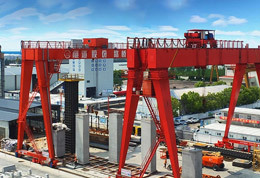
Gantry cranes operate similarly to bridge cranes but are supported by legs that run on wheels or tracks. These cranes can be used both indoors and outdoors, providing flexibility in terms of space utilization. Gantry cranes are often utilized in construction sites and shipping yards for loading and unloading containers.
Jib Cranes
Jib cranes feature a horizontal arm that pivots on a vertical column, allowing for movement in a circular area. They are perfect for lifting and moving materials in confined spaces and are commonly used in workshops and assembly lines.
Monorail Cranes
Monorail cranes use a single track for lifting and transporting materials. They offer a more minimalist design and are ideal for smaller loads and limited spaces. These cranes can be suspended from the ceiling or mounted on columns, making them versatile for various industrial settings.
Factors to Consider When Selecting an Overhead Crane
Choosing the right overhead crane involves careful consideration of several factors to ensure optimal performance. Here are the key aspects to evaluate:
Load Capacity
The load capacity of the crane is one of the most critical considerations. It determines the maximum weight the crane can safely lift and move. It's essential to assess the heaviest load you will be handling to select a crane that meets or exceeds this requirement. Additionally, consider future growth in load requirements as your operations scale.
Span and Lift Height
The span of the crane refers to the distance between the support columns, while lift height is the maximum vertical distance the crane can raise objects. These dimensions should align with the layout of your workspace to ensure efficient material handling and prevent obstructions.
Operating Environment
Understanding the operating environment is crucial when selecting an overhead crane. Factors such as temperature, humidity, and the presence of corrosive substances can affect crane performance. Ensure the crane's design and materials are suitable for your specific environment to avoid maintenance issues and enhance longevity.
Safety Considerations
Safety should be a paramount concern when selecting and operating an overhead crane. Several safety features and practices can help mitigate risks:
- Load Monitoring Systems: Equip cranes with load monitoring devices to prevent overloading.
- Emergency Stop Systems: Install emergency stop buttons within easy reach of operators to halt operations quickly in emergencies.
- Regular Inspections: Schedule regular maintenance and inspections to ensure the crane is in safe working condition.
- Operator Training: Provide comprehensive training for crane operators to ensure they are familiar with the equipment and safety protocols.
Expert Tips for Selecting Overhead Cranes
To further streamline your decision-making process, consider the following expert tips:
- Consult with Professionals: Engage with specialists who can assess your workspace and recommend the best crane configuration for your needs.
- Invest in Quality: Opt for reputable manufacturers known for their durable and reliable cranes, even if it means a higher upfront cost.
- Plan for Future Needs: Always account for potential growth in your operations when selecting a crane to avoid future replacements.
Common Misconceptions About Overhead Cranes
Several myths surround overhead cranes that can lead to poor decisions. Here are a few misconceptions debunked:
- All Cranes Are the Same: Different cranes serve distinct purposes, and selecting the wrong type can result in inefficiencies.
- Overhead Cranes Are Only for Heavy Loads: While designed for heavy lifting, some crane types are suitable for lighter materials and smaller operations.
- They Require Extensive Maintenance: Regular maintenance is essential, but with proper management, overhead cranes can operate effectively for many years.
FAQs
1. What is the typical lifespan of an overhead crane?
The lifespan of an overhead crane can vary significantly based on usage, maintenance, and quality. Generally, with proper care, cranes can last between 15 to 30 years.
2. How often should I inspect my overhead crane?
It’s recommended to perform daily visual inspections and comprehensive inspections at least once a year. However, frequency may increase depending on the crane's usage and the operating environment.
3. What are the standard safety ratings for overhead cranes?
Overhead cranes are typically rated based on their ability to handle specific load capacities and include safety features such as overload protection and emergency stop systems. Always verify the safety ratings before purchase.
4. Can I install an overhead crane myself?
While some businesses may consider self-installation, it's best to have cranes installed by professionals to ensure safety and compliance with regulations.
5. Are customized overhead cranes available?
Yes, many manufacturers offer customizable options to meet specific needs regarding load capacity, span, and operational requirements.
Conclusion
Selecting the right overhead crane configuration for your space is a significant decision that impacts operational efficiency, safety, and overall productivity. By understanding the different types of cranes, evaluating crucial factors, prioritizing safety, and taking expert advice into account, businesses can make informed choices that meet their unique requirements. With the right overhead crane in place, you can enhance your material handling operations and lay the foundation for future success.
Key words:
Related news
WeChat:
+86 18888789997
E-mail:
New plant area:
Gaojing Village, Dongguan Street, Shangyu District, Shaoxing City, Zhejiang Province
SEND AN INQUIRY
*Leave your contact information to get a free product quote
Be a professional lifting equipment design manufacturer