Zhejiang Zhongjian Road&Bridge Machinery Co., Ltd


-
-
About us
-
-
Engineering
-
Contact
-

07
2026
-
08
Understanding the Role of Form Traveller in Modern Construction
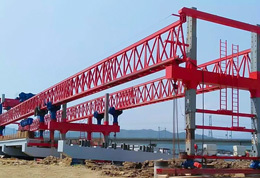
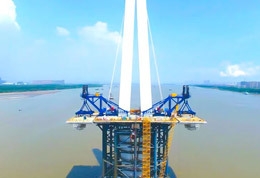
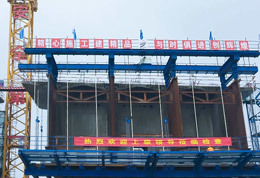
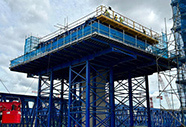
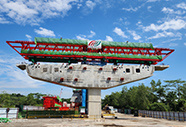
Form Traveller is an innovative construction technology that has revolutionized the way structures, particularly bridges and elevated highways, are built. This specialized machinery plays a crucial role in the manufacturing and processing of construction elements, allowing for greater efficiency, safety, and precision during the construction process. At its core, a Form Traveller is a movable for
Author:
At its core, a Form Traveller is a movable formwork system that supports concrete as it is poured and cured. Unlike traditional methods that require extensive scaffolding and time-consuming assembly, Form Travellers can move along the construction site, enabling continuous and uninterrupted pouring of concrete. This technology is especially beneficial for large-scale projects where time and structural integrity are of the utmost importance.
One of the primary advantages of using Form Travellers is the significant reduction in construction time. By allowing for simultaneous construction activities and minimizing the need for manual labor, projects can be completed more swiftly. This efficiency not only helps meet tight deadlines but also reduces overall project costs associated with labor and material delays.
In addition to time savings, Form Travellers enhance the safety of construction sites. Traditional formwork methods often pose risks to workers due to the complexity of assembly and the weight of materials. Form Travellers are designed with advanced safety features, reducing the likelihood of accidents on site. This focus on safety is crucial in the construction industry, where maintaining a secure environment for workers is essential.
Form Travellers also contribute to the quality of the finished structure. The precision engineering of these systems allows for consistent and uniform pouring of concrete, resulting in stronger and more durable structures. This quality control is vital, especially in critical infrastructure projects where the integrity of the construction can impact public safety.
Moreover, the adaptability of Form Travellers makes them suitable for various construction applications beyond bridges. They can be used for constructing buildings with unique architectural designs, allowing engineers to explore innovative methods while maintaining structural integrity.
In conclusion, the implementation of Form Traveller technology in the construction industry represents a significant advancement in engineering and manufacturing processes. By improving efficiency, enhancing safety, and ensuring high-quality construction, Form Travellers are an invaluable asset in modern construction practices. As the construction landscape continues to evolve, embracing such innovations will be key to meeting the demands of future projects.
Key words:
Related news
WeChat:
+86 18888789997
E-mail:
New plant area:
Gaojing Village, Dongguan Street, Shangyu District, Shaoxing City, Zhejiang Province
SEND AN INQUIRY
*Leave your contact information to get a free product quote
Be a professional lifting equipment design manufacturer