Zhejiang Zhongjian Road&Bridge Machinery Co., Ltd


-
-
About us
-
-
Engineering
-
Contact
-

01
2026
-
08
Understanding Overhead Cranes: Essential Insights for Industrial Applications
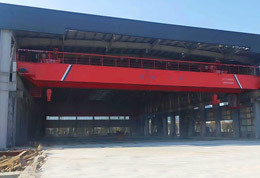
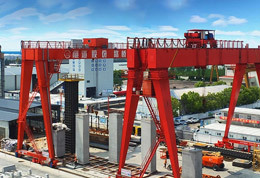
Overhead cranes are vital equipment in various industrial applications, facilitating the lifting and moving of heavy loads with precision and efficiency. These cranes are typically installed in factories, warehouses, and construction sites, providing a range of operational benefits that enhance productivity and safety. One of the primary advantages of overhead cranes is their ability to operate in
Author:
One of the primary advantages of overhead cranes is their ability to operate in tight spaces. Unlike conventional forklifts, which require ample floor space for maneuvering, overhead cranes utilize vertical space, allowing for the efficient handling of materials without extensive ground-level movement. This is particularly beneficial in environments where floor space is at a premium.
Overhead cranes come in different configurations, including single girder and double girder designs. Single girder cranes are generally lighter and more economical, best suited for lighter loads and smaller spans. In contrast, double girder cranes are designed for heavier loads and longer spans, providing greater stability and support. Understanding the specific requirements of your operation will help in selecting the most suitable type of crane.
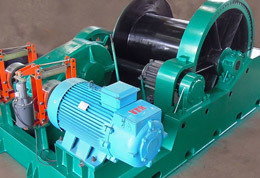
Moreover, overhead cranes can be equipped with various lifting mechanisms such as electric hoists or manual winches, allowing for flexibility in operation. Electric hoists are favored for their speed and efficiency, drastically reducing downtime during material handling processes. Operators should be trained in the specific controls and features of the crane to ensure safe and effective usage.
Safety is paramount when operating overhead cranes. Regular maintenance checks and inspections are necessary to ensure that all components function correctly and safely. Operators should be well-versed in proper lifting techniques, load limits, and emergency procedures to mitigate the risks associated with heavy lifting. Additionally, utilizing safety features such as anti-collision systems and load monitoring devices can further enhance operational safety.
Incorporating overhead cranes into your workflow can significantly streamline operations. However, it is crucial to assess your facility's layout, load requirements, and operational workflow to optimize crane placement and utilization. Engaging with industry experts during the selection and installation process can provide valuable insights tailored to your specific needs.
In conclusion, overhead cranes are indispensable in modern industrial environments, offering unmatched advantages in load handling and operational efficiency. By understanding the various types of overhead cranes, their functionalities, and safety considerations, businesses can leverage this equipment to improve productivity and maintain a safe working environment.
Key words:
Related news
WeChat:
+86 18888789997
E-mail:
New plant area:
Gaojing Village, Dongguan Street, Shangyu District, Shaoxing City, Zhejiang Province
SEND AN INQUIRY
*Leave your contact information to get a free product quote
Be a professional lifting equipment design manufacturer