Zhejiang Zhongjian Road&Bridge Machinery Co., Ltd


-
-
About us
-
-
Engineering
-
Contact
-

29
2026
-
07
Gantry Crane Safety Features: Ensuring Worker Protection
Gantry Crane Safety Features: Ensuring Worker Protection Gantry cranes are indispensable in industrial settings, providing the lift and support necessary for moving heavy loads. However, with great power comes great responsibility. Worker protection is paramount, and understanding and implementing the safety features of gantry cranes can significantly reduce the risk of accidents. In this article,
Author:
Gantry Crane Safety Features: Ensuring Worker Protection
Gantry cranes are indispensable in industrial settings, providing the lift and support necessary for moving heavy loads. However, with great power comes great responsibility. Worker protection is paramount, and understanding and implementing the safety features of gantry cranes can significantly reduce the risk of accidents. In this article, we will delve into the essential safety features of gantry cranes, discuss their importance, and explore best practices to ensure a safe working environment.
Understanding Gantry Cranes
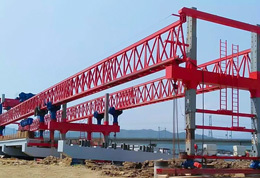
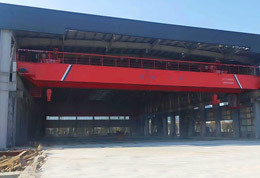
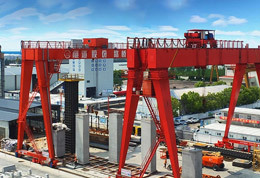
Gantry cranes come in various designs and sizes, serving diverse industrial needs—from construction sites to warehouses. Their structure typically includes two vertical legs that support a horizontal beam, from which the hoist is suspended. This design allows for exceptional mobility and flexibility in lifting operations. However, to maximize their efficiency, understanding the inherent safety features is crucial.
Key Components of Gantry Crane Safety Features
When it comes to gantry cranes, several built-in safety features play a vital role in ensuring worker protection. These components not only enhance operational safety but also contribute to the overall efficiency of lifting operations.
1. Overload Protection Systems
One of the most crucial safety features of gantry cranes is the **overload protection system**. This mechanism prevents the crane from lifting loads that exceed its rated capacity. It incorporates sensors that automatically halt the operation if an overload is detected. This feature is essential for preventing accidents that could result from lifting excessively heavy loads, which can compromise the crane's integrity and endanger workers.
2. Emergency Stop Buttons
Emergency stop buttons provide an immediate means to halt crane operations in case of an emergency. Strategically placed within easy reach of the operator, these buttons allow for swift action, which can be critical in preventing accidents. All personnel should be informed of the location of these buttons and trained in their use.
3. Limit Switches
**Limit switches** are crucial for preventing the gantry crane from moving beyond designated limits. These switches ensure that the crane stops before it reaches its maximum height or lateral movement, reducing the risk of mechanical failure and protecting workers in the vicinity.
4. Safety Rails and Guarding Systems
Incorporating **safety rails and guarding systems** on gantry cranes is vital for protecting workers. These features help prevent falls during operations, especially when workers are required to access elevated areas for maintenance or inspection. Ensuring that all access points are securely guarded can significantly reduce the risk of accidents.
5. Load Indication Systems
**Load indication systems** provide real-time data on the weight being lifted, allowing operators to monitor the load closely. This feature enhances safety by ensuring that the operator is aware of the load weight, enabling them to avoid potential overload situations.
Training and Safety Protocols
While safety features are essential, their effectiveness is amplified by proper training and adherence to safety protocols. Implementing robust training programs ensures that all crane operators and personnel are well-versed in the safe operation of gantry cranes.
Importance of Operator Training
Effective training programs should encompass the following elements:
- Understanding the technical specifications and limitations of the gantry crane.
- Familiarity with all safety features and emergency procedures.
- Regular drills and simulations to prepare for various operational scenarios.
- Continuous education to keep up with technological advancements and safety regulations.
Safety Protocols for Gantry Crane Operations
Adopting stringent safety protocols is vital for minimizing risks. Some key protocols include:
- Conducting routine inspections and maintenance checks before operation.
- Employing a signalperson to guide the crane operator when visibility is compromised.
- Ensuring a clear communication system among team members during lifting operations.
- Establishing exclusion zones around the crane to keep non-essential personnel at a safe distance.
Regular Maintenance and Inspections
Regular maintenance and inspections are critical components of a comprehensive safety strategy. Gantry cranes should undergo periodic evaluations to ensure all safety features are functioning correctly.
Scheduled Maintenance Programs
Implementing a scheduled maintenance program allows for early detection of potential issues. Key maintenance tasks include:
- Lubricating moving parts to prevent wear and tear.
- Checking electrical systems and safety features for proper function.
- Inspecting the structural integrity of the crane, particularly welds and joints.
- Testing emergency stop buttons and limit switches.
Compliance with Safety Standards
It's essential to comply with industry safety standards and regulations to ensure a safe working environment. Familiarize yourself with organizations such as the Occupational Safety and Health Administration (OSHA) and the American National Standards Institute (ANSI). Regularly updating safety practices in line with these standards can help prevent accidents and injuries.
Enhancements in Gantry Crane Safety Technology
As technology advances, so too do the safety features of gantry cranes. Modern cranes are increasingly equipped with sophisticated technology designed to enhance safety and efficiency.
Smart Technology Integration
The integration of smart technology, such as **IoT sensors**, allows for real-time monitoring of crane operations. These sensors can provide valuable data on load weight, structural health, and operational efficiency. This data enables proactive maintenance and immediate action in the event of an anomaly.
Remote Operation Systems
Remote operation systems allow operators to control cranes from a safe distance, significantly reducing the risk of injury. With advancements in wireless technology, operators can monitor loads and make adjustments without being in close proximity to the crane.
Frequently Asked Questions (FAQs)
1. What are the most common safety features of gantry cranes?
The most common safety features include overload protection systems, emergency stop buttons, limit switches, safety rails, and load indication systems.
2. How often should gantry cranes be inspected?
Gantry cranes should be inspected at least once a year, with more frequent inspections recommended for high-use cranes or after significant weather events.
3. Why is operator training important for gantry crane safety?
Operator training is crucial as it ensures that personnel understand the crane's features, operational protocols, and emergency procedures, significantly reducing the risk of accidents.
4. What are the consequences of not following safety protocols?
Failure to follow safety protocols can lead to serious accidents, injuries, and even fatalities. Additionally, it may result in legal consequences and financial losses for the company.
5. Can technology enhance gantry crane safety?
Yes, technology enhances safety through features like IoT sensors for real-time monitoring and remote operation systems, which allow for safer control of cranes.
Conclusion
In conclusion, ensuring worker protection in gantry crane operations is fundamentally linked to understanding and implementing various safety features. From overload protection systems to advanced technology integration, each component plays a significant role in minimizing risks. Investing in proper training, routine maintenance, and adherence to safety protocols creates a safer working environment and enhances operational efficiency. By prioritizing safety, businesses can protect their workforce, comply with industry regulations, and ultimately achieve greater productivity.
Key words:
Related news
WeChat:
+86 18888789997
E-mail:
New plant area:
Gaojing Village, Dongguan Street, Shangyu District, Shaoxing City, Zhejiang Province
SEND AN INQUIRY
*Leave your contact information to get a free product quote
Be a professional lifting equipment design manufacturer