Zhejiang Zhongjian Road&Bridge Machinery Co., Ltd


-
-
About us
-
-
Engineering
-
Contact
-

02
2026
-
07
The Essential Guide to Overhead Cranes: Understanding Their Functionality and Benefits
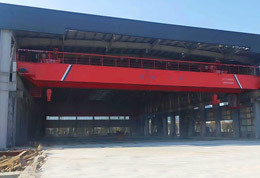
Overhead cranes are an integral part of industrial operations, designed to lift and move heavy materials with precision and efficiency. They are primarily utilized in manufacturing facilities, warehouses, and construction sites, making them indispensable for various sectors. Understanding their functionality, types, and benefits can significantly improve your operational workflow. At their core, o
Author:
At their core, overhead cranes consist of a hoist, trolley, and bridge. The hoist is responsible for lifting and lowering the load, while the trolley moves the hoist along the bridge. The bridge itself spans the width of the workspace and is mounted on either side on end trucks or rails. This design allows overhead cranes to cover large areas and access multiple points within a facility, making them ideal for transporting heavy items across workspaces.
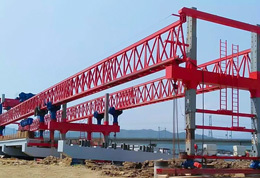
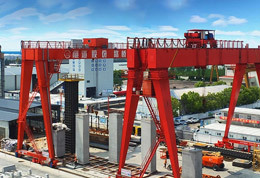
There are several types of overhead cranes, including single girder cranes, double girder cranes, and gantry cranes. Single girder cranes are typically lighter and suited for smaller loads, while double girder cranes can handle heavier loads and provide greater lifting heights. Gantry cranes, on the other hand, are often used outdoors and can move along tracks, making them versatile for various applications.
One of the primary benefits of using overhead cranes is their ability to improve workplace safety. By automating the lifting and transporting of heavy materials, they reduce the risk of injury associated with manual handling. Additionally, the precise control offered by overhead cranes minimizes the chances of accidents and damage to the loads being transported.
Efficiency is another critical advantage of overhead cranes. They can significantly speed up the material handling process, allowing for quicker turnaround times. This increased productivity can lead to enhanced operational performance and cost savings in the long run. Furthermore, their ability to operate in tight spaces increases their utility, especially in facilities with limited floor space.
Maintenance of overhead cranes is also essential to ensure their longevity and optimal performance. Regular inspections and proper maintenance practices can prevent breakdowns and extend the lifespan of the equipment. Operators should be trained in safe usage and maintenance protocols to maximize the operational efficiency of overhead cranes.
In conclusion, overhead cranes are vital equipment that enhances productivity and safety in various industrial applications. Understanding their components, types, and benefits will empower businesses to leverage their full potential. By incorporating overhead cranes into your operations, you can streamline processes, minimize risks, and ultimately achieve greater efficiency in your material handling tasks.
Key words:
Related news
WeChat:
+86 18888789997
E-mail:
New plant area:
Gaojing Village, Dongguan Street, Shangyu District, Shaoxing City, Zhejiang Province
SEND AN INQUIRY
*Leave your contact information to get a free product quote
Be a professional lifting equipment design manufacturer