Zhejiang Zhongjian Road&Bridge Machinery Co., Ltd


-
-
About us
-
-
Engineering
-
Contact
-

20
2026
-
05
Understanding the Essentials of Overhead Cranes: Enhancing Efficiency in Industrial Operations
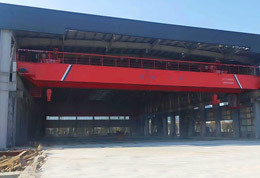
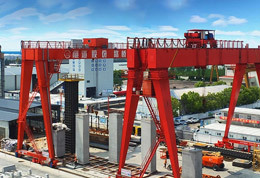
Overhead cranes are indispensable tools in various industrial applications, primarily designed to assist in lifting and transporting heavy loads. Unlike traditional cranes, these systems are mounted on a fixed structure, allowing for seamless movement across the operational area. This unique design enhances space utilization while ensuring safety and efficiency in material handling. One of the mos
Author:
One of the most significant advantages of overhead cranes is their ability to lift and move loads with precision. They are equipped with hoists, trolleys, and bridge systems that enable operators to manipulate heavy items with minimal effort. This not only reduces the risk of workplace injuries but also decreases the time needed for loading and unloading tasks. Furthermore, the ability to control movements accurately means that overhead cranes can be employed in narrow or congested spaces where other lifting solutions might struggle.
When considering the implementation of overhead cranes in an operation, several key factors should be evaluated. First, determining the weight capacity needed for the crane is crucial. This includes assessing the maximum load that will be lifted and the frequency of use. Overhead cranes come in various configurations, so it’s important to choose one that aligns with specific operational requirements.
Another vital consideration is the design of the workspace. An overhead crane system must be compatible with the existing infrastructure, including building height, structural supports, and floor space. Adequate clearance must be allowed for both the crane and the loads it will handle. Additionally, regular maintenance is essential to ensure the longevity and safe operation of the crane. Regular inspections and servicing can prevent breakdowns and enhance performance over time.
Safety is paramount when operating overhead cranes. Personnel must undergo proper training to handle the machinery effectively, understanding weight limits and safe operational practices. Implementing safety protocols, such as the use of warning signals and proper communication among operators, can significantly mitigate the risks associated with heavy lifting.
In summary, overhead cranes are vital to modern industrial operations, offering a blend of efficiency, safety, and precision in material handling. By considering weight capacities, workspace designs, and safety protocols, businesses can leverage the full potential of these powerful machines to enhance their operational capabilities. Embracing the advantages of overhead cranes is not just a matter of convenience but a strategic choice that can lead to improved productivity and workplace safety.
Key words:
Related news
WeChat:
+86 18888789997
E-mail:
New plant area:
Gaojing Village, Dongguan Street, Shangyu District, Shaoxing City, Zhejiang Province
SEND AN INQUIRY
*Leave your contact information to get a free product quote
Be a professional lifting equipment design manufacturer