Zhejiang Zhongjian Road&Bridge Machinery Co., Ltd


-
-
About us
-
-
Engineering
-
Contact
-



02
2026
-
05
Understanding Gantry Cranes: Essential Insights for Industrial Applications
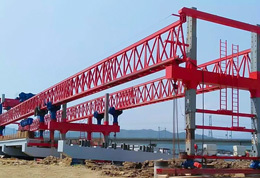
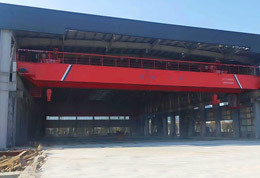
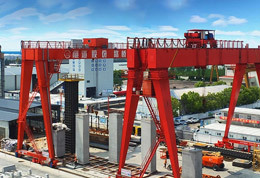
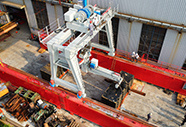
Gantry cranes are a type of overhead crane that features a structure supported by legs and a bridge that moves horizontally. They are widely used in industrial applications for lifting and transporting heavy loads, making them an essential piece of equipment in factories, warehouses, and construction sites. The design of gantry cranes allows them to operate both indoors and outdoors, offering vers
Author:
One of the standout characteristics of gantry cranes is their ability to handle substantial weights with precision. They are equipped with hoists that can lift loads ranging from a few hundred pounds to several tons, depending on the specific design and configuration of the crane. This capability makes gantry cranes ideal for assembling large structures or moving heavy materials, thus enhancing productivity and safety in the workplace.
In addition to their lifting capacity, gantry cranes are also designed with mobility in mind. Many models come with wheels, allowing them to be easily repositioned as needed. This feature is particularly advantageous in dynamic work environments where space and load requirements can change frequently. Furthermore, gantry cranes can be customized with various attachments, such as hooks, clamps, or magnet systems, enabling them to handle a wide range of materials efficiently.
Safety is a paramount concern in any industrial setting, and gantry cranes are designed with several safety features to mitigate risks. These include emergency stop buttons, overload protection mechanisms, and limit switches that prevent the crane from moving beyond its operational limits. Regular maintenance and adherence to safety protocols are essential to ensure the safe operation of gantry cranes.
When considering the implementation of a gantry crane in your operations, it’s important to factor in several key considerations. These include the weight and dimensions of the loads to be handled, the available space for operation, and the specific tasks the crane will perform. Consulting with experts in industrial equipment can provide valuable insights into selecting the right gantry crane for your needs.
In summary, gantry cranes are a versatile and efficient solution for handling heavy loads in various industrial applications. Their robust design, mobility, and safety features make them a critical asset for enhancing productivity and operational efficiency. Whether you are in manufacturing, construction, or warehousing, understanding the benefits and functionalities of gantry cranes can help you optimize your material handling processes.
Key words:
Related news
WeChat:
+86 18888789997
E-mail:
New plant area:
Gaojing Village, Dongguan Street, Shangyu District, Shaoxing City, Zhejiang Province
SEND AN INQUIRY
*Leave your contact information to get a free product quote
Be a professional lifting equipment design manufacturer