Zhejiang Zhongjian Road&Bridge Machinery Co., Ltd


-
-
About us
-
-
Engineering
-
Contact
-

20
2026
-
04
Exploring the Benefits and Functionality of Overhead Cranes in Industrial Settings
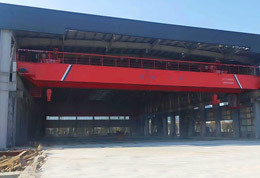
Overhead cranes are pivotal in industrial environments, offering a versatile solution for lifting and transporting heavy materials and equipment. These cranes are installed on elevated tracks, allowing them to move horizontally across the workspace, thereby maximizing floor space and improving efficiency. Understanding the functionality and benefits of overhead cranes can significantly impact oper
Author:
One of the primary advantages of overhead cranes is their ability to handle heavy loads with precision. With the capacity to lift thousands of pounds, they are ideal for industries such as manufacturing, construction, and warehousing. Unlike traditional forklifts, which operate on the ground level, overhead cranes utilize vertical space, allowing for better maneuverability and reduced risk of accidents. Their design enables operators to lift and move materials without the need for complex stacking or maneuvering processes, streamlining workflows significantly.
In addition to efficiency, safety is a paramount concern in any industrial setting. Overhead cranes are equipped with advanced safety features, including limit switches, emergency stop buttons, and overload protection systems. These safety mechanisms help prevent accidents and ensure that heavy loads are managed correctly. Furthermore, when operated by trained personnel, overhead cranes can minimize the risk of injury associated with manual lifting or using less specialized equipment.
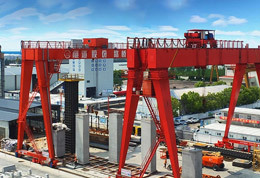
Overhead cranes are also adaptable to various environments and can be customized according to specific operational needs. Organizations can choose from different types of overhead cranes, such as bridge cranes, gantry cranes, and jib cranes, depending on their unique requirements. The ability to customize the crane's design, capacity, and features allows businesses to optimize their operations further.
Moreover, the integration of technology into overhead crane systems has revolutionized their operation. Modern cranes can be equipped with smart technology, including remote controls, load monitoring systems, and predictive maintenance tools. These advancements not only enhance operational efficiency but also provide real-time data on crane performance, leading to better decision-making and resource management.
Regular maintenance is crucial for ensuring the longevity and reliability of overhead cranes. Implementing a routine inspection and maintenance schedule can prevent costly breakdowns and ensure compliance with safety regulations. Organizations should invest in training programs for operators and maintenance personnel to ensure that all team members are proficient in the safe operation and upkeep of the equipment.
In conclusion, overhead cranes serve as a vital component of industrial operations, enhancing efficiency, safety, and flexibility. By understanding their benefits and functionalities, businesses can make informed decisions about their equipment needs, ultimately leading to improved productivity and workplace safety.
Key words:
Related news
WeChat:
+86 18888789997
E-mail:
New plant area:
Gaojing Village, Dongguan Street, Shangyu District, Shaoxing City, Zhejiang Province
SEND AN INQUIRY
*Leave your contact information to get a free product quote
Be a professional lifting equipment design manufacturer