Zhejiang Zhongjian Road&Bridge Machinery Co., Ltd


-
-
About us
-
-
Engineering
-
Contact
-

21
2026
-
03
Understanding Overhead Cranes: Essential Insights for Professionals in Industrial Equipment
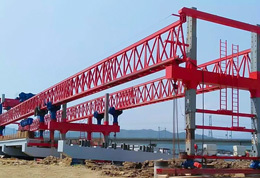
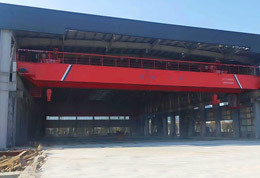
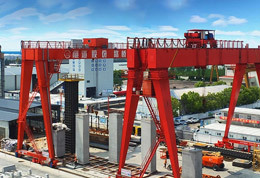
Overhead cranes are integral to many industrial operations, providing a reliable means of lifting and transporting heavy materials within a facility. These cranes consist of a hoist that moves along a horizontal beam, allowing for vertical and lateral movement of loads. Understanding the mechanics, advantages, and best practices associated with overhead cranes is essential for professionals in the
Author:
One of the primary functions of overhead cranes is to facilitate the movement of heavy items such as steel, concrete, and large equipment. Unlike traditional forklifts, overhead cranes can lift loads from above, thereby minimizing the risk of injury and damage to surrounding structures. This feature is particularly beneficial in confined spaces where maneuverability is limited. Moreover, overhead cranes can be customized with various attachments, enabling them to handle diverse materials, from simple pallets to intricate machinery.
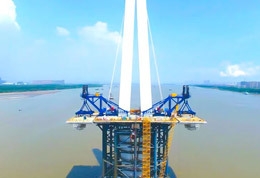
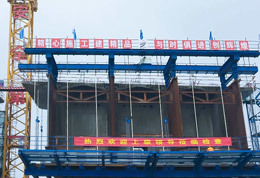
In terms of applications, overhead cranes are prevalent in manufacturing plants, warehouses, and construction sites. They are commonly used for assembly lines, material loading and unloading, and even in power plants for maintenance tasks. Their versatility makes them an invaluable asset across various industries, including automotive, aerospace, and steel production.
While overhead cranes offer numerous advantages, their operation requires adherence to strict safety standards. Operators must undergo proper training to ensure they understand the crane's controls and load capacities. Regular maintenance checks are essential to identify any wear and tear on components like cables, hooks, and brakes, which can lead to accidents if neglected. Incorporating safety protocols, such as load testing and the use of protective gear, is crucial for maintaining a safe work environment.
Additionally, technological advancements are transforming the overhead crane industry. Innovations such as remote controls and automated systems are enhancing operational efficiency while reducing the potential for human error. These advancements not only streamline processes but also contribute to the overall safety and reliability of lifting operations.
In conclusion, overhead cranes are vital equipment in the industrial sector, streamlining the movement of heavy loads and enhancing workplace safety. For professionals involved in industrial equipment and components, understanding the functionalities and safety measures associated with overhead cranes is crucial. By prioritizing training and maintenance, organizations can maximize the benefits of these machines, ultimately leading to increased productivity and operational success.
Key words:
Related news
WeChat:
+86 18888789997
E-mail:
New plant area:
Gaojing Village, Dongguan Street, Shangyu District, Shaoxing City, Zhejiang Province
SEND AN INQUIRY
*Leave your contact information to get a free product quote
Be a professional lifting equipment design manufacturer