Zhejiang Zhongjian Road&Bridge Machinery Co., Ltd


-
-
About us
-
-
Engineering
-
Contact
-

18
2026
-
03
Lifting the Future: Understanding Overhead Cranes
Dive into the workings of overhead cranes and discover how they revolutionize material handling.
Author:

Image Source: unsplash
Introduction to Overhead Cranes
Imagine a world where lifting heavy loads is as easy as flipping a switch. That's the magic of an overhead crane. These mechanical wonders are the backbone of many industries, making the seemingly impossible possible. This article takes you through the ins and outs of how these cranes operate, showcasing their importance in various sectors.
How Do Overhead Cranes Work?
At first glance, an overhead crane may appear to be just a large assembly of metal and wires. However, beneath that robust exterior lies a sophisticated system designed for efficiency. The basics involve a hoist mechanism that lifts and lowers loads, guided by rails or beams positioned above. It's like watching a dance where each move is calculated for precision!
Components of an Overhead Crane
Let's break it down! An overhead crane typically consists of a few key components:
- Bridge: This is the main supporting structure that spans the width of the area to be covered.
- Hoist: The heart of the crane, responsible for lifting and lowering the load.
- Trolley: This moves the hoist along the bridge, allowing for lateral movement.
- Controls: Operators can maneuver the crane with ease using a pendant or remote control.
Types of Overhead Cranes
Believe it or not, there's more than one flavor of overhead crane! Here are a few common types:
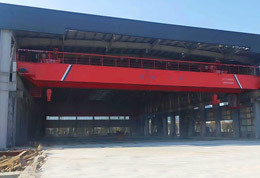
- Bridge Cranes: Perfect for large areas, these are often found in warehouses.
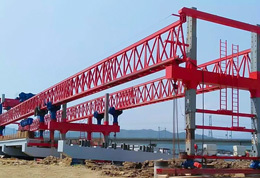
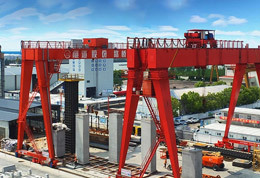
- Gantry Cranes: These have a similar function but are supported by legs on either side.
- Jib Cranes: Ideal for smaller spaces, these cranes rotate on a pivot point, allowing for flexibility.
Safety First!
It's no surprise that safety is a top priority when operating an overhead crane. Operators must be trained to handle these machines, ensuring that loads are secured and that the environment is free from hazards. Regular maintenance checks are crucial to keep things running smoothly and to avoid any mishaps.
The Impact of Overhead Cranes on Industries
From construction sites to manufacturing plants, overhead cranes play a pivotal role in enhancing productivity. They allow for faster movement of materials, reducing downtime and increasing efficiency. Plus, they can handle hefty weights that would otherwise require an army of workers!
Future Innovations
As technology evolves, so do overhead cranes. New advancements include automation, which streamlines operations and minimizes human error. Imagine a crane that can operate autonomously, lifting and placing materials without a human touch—exciting, right?
Conclusion
In the grand scheme of things, overhead cranes are more than just machines; they are essential tools that drive efficiency and safety across multiple industries. Understanding their workings not only highlights their significance but also prepares us for the innovations that lie ahead. So, the next time you spot one soaring above, remember the intricate technology that makes it all possible!
Key words:
Related news
WeChat:
+86 18888789997
E-mail:
New plant area:
Gaojing Village, Dongguan Street, Shangyu District, Shaoxing City, Zhejiang Province
SEND AN INQUIRY
*Leave your contact information to get a free product quote
Be a professional lifting equipment design manufacturer