Zhejiang Zhongjian Road&Bridge Machinery Co., Ltd


-
-
About us
-
-
Engineering
-
Contact
-

12
2026
-
03
The Science Behind Form Traveller: Engineering Insights for Modern Construction
The Science Behind Form Traveller: Engineering Insights for Modern Construction Table of Contents What is a Form Traveller? History of Form Travellers in Construction Design Principles of Form Travellers Types of Form Travellers and Their Applications Engineering Challenges in Form Traveller Construction Benefits of Using Form Travellers Case Studies: Successful Implementation of Fo
Author:
The Science Behind Form Traveller: Engineering Insights for Modern Construction
Table of Contents
- What is a Form Traveller?
- History of Form Travellers in Construction
- Design Principles of Form Travellers
- Types of Form Travellers and Their Applications
- Engineering Challenges in Form Traveller Construction
- Benefits of Using Form Travellers
- Case Studies: Successful Implementation of Form Travellers
- The Future of Form Travellers in Engineering
- Frequently Asked Questions
- Conclusion
What is a Form Traveller?
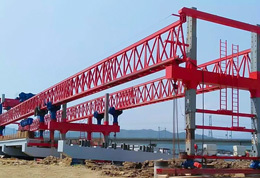
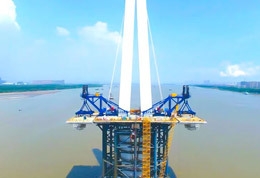
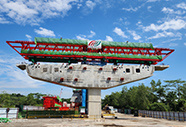
A **form traveller** is a sophisticated piece of construction equipment used primarily in the construction of bridges and other large structures. This device supports the formwork that shapes concrete as it cures. The form traveller moves horizontally or vertically along a predetermined path, allowing for the efficient pouring and setting of concrete segments.
Form travellers are essential in modern construction projects where precision, speed, and safety are paramount. By utilizing form travellers, construction teams can streamline operations, reduce labor costs, and ensure consistent quality in concrete placement.
History of Form Travellers in Construction
The evolution of form travellers can be traced back to the mid-20th century when innovative engineering techniques began to transform the construction landscape. Early versions were rudimentary and manually operated, making them labor-intensive and inefficient. However, advancements in materials science and engineering design led to the development of automated and motorized form travellers that have significantly enhanced construction productivity.
The introduction of form travellers revolutionized bridge construction, facilitating the construction of longer spans and higher structures that were previously deemed impractical. Over the decades, as engineering standards and safety protocols evolved, so too did the design and functionality of form travellers, making them indispensable tools in the field.
Design Principles of Form Travellers
The design of a form traveller incorporates several key engineering principles. Understanding these principles is crucial for those involved in construction and manufacturing machinery.
Load-Bearing Capacity
The load-bearing capacity of a form traveller is vital. Engineers must calculate the maximum weight that the formwork and concrete will impose on the traveller. This calculation influences the choice of materials and the dimensions of the traveller itself.
Stability and Rigidity
Ensuring stability and rigidity is essential to prevent structural failures during concrete placement. Form travellers are designed with a focus on maintaining balance, especially when transitioning between elevation changes. Advanced computer modeling techniques are often used to predict and mitigate potential failure points.
Mobility and Adjustability
Mobility is a cornerstone of form traveller design. The ability to move the equipment efficiently along its designated path can significantly impact project timelines. Many modern form travellers are equipped with hydraulic systems that allow for quick adjustments, accommodating changes in project requirements.
Safety Features
Safety is paramount in construction engineering. Form travellers are designed with multiple safety features including backup systems, emergency stop buttons, and fail-safes to prevent accidents during operation. Regular inspections and adherence to safety protocols further enhance their reliability.
Types of Form Travellers and Their Applications
Different types of form travellers cater to various construction needs. Understanding these types ensures that construction teams select the appropriate equipment for their projects.
Segmental Form Travellers
Segmental form travellers are widely used in the construction of segmental bridges, allowing for the pouring of concrete segments that are then post-tensioned together. This method is efficient and minimizes material waste.
Balanced Cantilever Form Travellers
Balanced cantilever form travellers are specifically designed for constructing cantilever bridges. This type of traveller maintains balance while extending outward, ensuring the structural integrity of the bridge during the construction phase.
Slipform Travellers
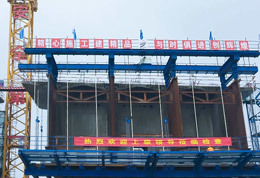
Slipform travellers are used for continuous pouring applications, such as constructing walls or piers. This type of formwork moves vertically as the concrete is poured, allowing for a smooth finish and eliminating the need for joints.
Shoring Form Travellers
Shoring form travellers provide temporary support during the curing process. These travellers are used when additional stability is needed, particularly in challenging environmental conditions.
Engineering Challenges in Form Traveller Construction
While form travellers offer many advantages, they also present several engineering challenges.
Terrain and Environmental Considerations
Constructing in diverse terrains can complicate the setup of form travellers. Slopes, uneven ground, and weather conditions can all impact the performance of the equipment. Engineers must conduct thorough site assessments to mitigate these challenges.
Material Selection
Choosing the right materials for form travellers is critical. The materials must not only support the weight of the concrete but also withstand environmental stressors such as temperature fluctuations and moisture.
Integration with Other Construction Systems
Form travellers must seamlessly integrate with various other construction systems, such as cranes and scaffolding. Ensuring compatibility can be complex and requires careful planning.
Benefits of Using Form Travellers
The advantages of using form travellers extend beyond mere efficiency.
Increased Construction Speed
Form travellers significantly reduce the time required for construction projects. By allowing for simultaneous work on multiple segments, they streamline the process, leading to faster completion times.
Improved Quality Control
The precision associated with form travellers ensures a consistent quality in concrete placement. By reducing human error, these machines help maintain the integrity of the structure, contributing to longevity and durability.
Cost-Effectiveness
Although the initial investment in form travellers can be substantial, the long-term savings are evident. Reduced labor costs and shorter project timelines lead to substantial savings for construction companies.
Case Studies: Successful Implementation of Form Travellers
Examining real-world applications of form travellers provides insight into their effectiveness.
Case Study 1: The XYZ Bridge Project
In the construction of the XYZ Bridge, engineers employed a segmental form traveller, which allowed them to complete the project six months ahead of schedule. This success was attributed to the streamlined process that minimized interruptions and maximized output.
Case Study 2: The ABC High-Rise Construction
The ABC high-rise building utilized slipform travellers to construct its concrete core. This method not only ensured uniformity but also reduced the overall construction time by 30%, showcasing the effectiveness of modern form traveller technology.
The Future of Form Travellers in Engineering
As technology continues to evolve, the future of form travellers looks promising. Advances in automation, robotics, and materials science are expected to further enhance their functionality and efficiency.
Integration of Smart Technology
The incorporation of smart technology into form travellers could revolutionize their operation. Sensors and IoT (Internet of Things) capabilities may allow for real-time monitoring, predictive maintenance, and automated adjustments based on environmental conditions.
Sustainability Considerations
With the construction industry increasingly focusing on sustainability, future form travellers may be designed with eco-friendly materials and energy-efficient systems, further minimizing their environmental impact.
Frequently Asked Questions
What materials are commonly used in form travellers?
Form travellers are typically constructed from high-strength steel or lightweight aluminum alloys, chosen for their durability and load-bearing capabilities.
How do form travellers improve construction efficiency?
By allowing for simultaneous construction processes and reducing the time needed for set-up and breakdown, form travellers significantly enhance overall project efficiency.
What safety features should be considered when using form travellers?
Key safety features include emergency stop functions, backup systems, and regular inspection protocols to ensure safe operation.
Can form travellers be adapted for various construction projects?
Yes, form travellers can be customized to meet the specific needs of different projects, including bridges, high-rises, and other large structures.
What is the typical lifespan of a form traveller?
A well-maintained form traveller can last for several decades, depending on the materials used and the conditions of use.
Conclusion
The science behind form travellers reveals a complex interplay of engineering principles, innovative design, and practical application in the construction industry. As technology advances, form travellers will continue to play a crucial role in shaping the future of construction. Their ability to enhance efficiency, improve safety, and ensure high-quality outcomes makes them indispensable tools for modern engineering challenges. By understanding their functionality and advantages, construction professionals can leverage form travellers to achieve remarkable results in their projects.
Key words:
Related news
WeChat:
+86 18888789997
E-mail:
New plant area:
Gaojing Village, Dongguan Street, Shangyu District, Shaoxing City, Zhejiang Province
SEND AN INQUIRY
*Leave your contact information to get a free product quote
Be a professional lifting equipment design manufacturer