Zhejiang Zhongjian Road&Bridge Machinery Co., Ltd


-
-
About us
-
-
Engineering
-
Contact
-

06
2026
-
03
Top Applications of Overhead Cranes in Various Industries: A Comprehensive Guide
Top Applications of Overhead Cranes in Various Industries Introduction to Overhead Cranes Overhead cranes are vital mechanical systems designed to lift, move, and position heavy loads in various industrial settings. Known for their versatility and efficiency, these cranes are integral to streamlining operations across manufacturing, construction, and logistics sectors. By utilizing an overhead str
Author:
Top Applications of Overhead Cranes in Various Industries
Introduction to Overhead Cranes
Overhead cranes are vital mechanical systems designed to lift, move, and position heavy loads in various industrial settings. Known for their versatility and efficiency, these cranes are integral to streamlining operations across manufacturing, construction, and logistics sectors. By utilizing an overhead structure that allows for unrestricted floor space, these cranes enhance productivity and safety.
1. Overview of Overhead Crane Functionality
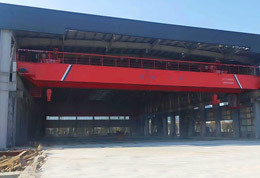
Overhead cranes operate through a system of hoists, trolleys, and bridge systems, enabling them to move heavy materials with precision. These cranes typically feature two parallel runways that support a moving bridge, allowing for seamless transportation of loads across a designated workspace.
1.1 Types of Overhead Cranes
Various types of overhead cranes cater to specific applications:
- **Bridge Cranes**: Ideal for indoor use, these cranes consist of a bridge spanning the width of a workspace.
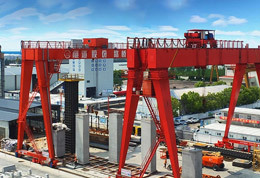
- **Gantry Cranes**: Designed for outdoor applications, gantry cranes have A-frame structures that can move along the ground.
- **Jib Cranes**: These cranes feature a rotating arm that allows for material handling in tight spaces.
2. Key Industries Utilizing Overhead Cranes
Overhead cranes find applications in numerous industries, each benefiting from enhanced workflow and safety measures.
2.1 Manufacturing Industry
In manufacturing, overhead cranes facilitate the movement of heavy components and assemblies. They are essential for handling raw materials, transporting finished goods, and organizing production processes. The ability to lift loads directly from the ground minimizes manual handling, reducing the risk of workplace injuries.
2.2 Construction Industry
The construction sector relies on overhead cranes for lifting heavy materials such as steel beams, concrete panels, and prefabricated components. Cranes are crucial during the early phases of construction, ensuring efficient logistics and material placement on-site.
2.3 Warehousing and Distribution
In warehouses, overhead cranes optimize storage and retrieval operations for bulk materials. They streamline the loading and unloading of trucks, significantly improving productivity and reducing turnaround times for shipments.
3. Safety Enhancements with Overhead Cranes
Safety is paramount in any industrial operation. Overhead cranes are designed with several safety features to mitigate risks.
3.1 Load Monitoring Systems
Modern overhead cranes come equipped with load monitoring systems that ensure operators do not exceed weight limits. These systems provide real-time feedback, enhancing safety protocols during operation.
3.2 Emergency Stop Features
In the event of a malfunction or an emergency, overhead cranes incorporate emergency stop buttons that immediately halt operation, protecting both personnel and equipment.
3.2.1 Operator Training and Certification
Proper training for crane operators is crucial. Many industries mandate certification programs to ensure operators are skilled in safety practices and operational procedures.
4. Benefits of Overhead Cranes in Industrial Applications
The advantages of integrating overhead cranes into industrial operations are numerous.
4.1 Increased Efficiency
Overhead cranes significantly enhance operational efficiency. Their ability to lift and move heavy loads quickly minimizes downtime, leading to increased productivity.
4.2 Space Optimization
Because overhead cranes utilize vertical space, they free up floor area for other activities, enabling better organization and workflow management.
4.3 Cost-Effectiveness
Investing in overhead cranes can lead to long-term savings by reducing labor costs, minimizing product damage, and enhancing overall operational efficiency.
5. Innovations in Overhead Crane Technology
Technological advancements have led to smarter, more efficient overhead cranes.
5.1 Automation and Integration
Many overhead cranes now feature automation capabilities, allowing for integration with warehouse management systems. This results in improved tracking and management of materials.
5.2 Smart Sensors and IoT Integration
The incorporation of smart sensors and Internet of Things (IoT) technology enables predictive maintenance, allowing companies to proactively address potential issues before they lead to breakdowns.
6. Case Studies: Successful Implementation of Overhead Cranes
Examining real-world applications of overhead cranes can provide valuable insights into their effectiveness.
6.1 Automotive Manufacturing
In automotive plants, overhead cranes are used to lift engine blocks, chassis, and other heavy components. Their precision helps maintain an efficient assembly line, leading to higher production rates and better quality control.
6.2 Steel Production Facilities
Steel production facilities depend on overhead cranes for handling raw materials like steel coils and plates. These cranes facilitate the movement from storage to processing areas, ensuring smooth operations.
7. Future Trends in Overhead Crane Applications
As industries evolve, so do the applications of overhead cranes.
7.1 Sustainability Initiatives
The shift towards sustainable practices is influencing the design and operation of overhead cranes. Energy-efficient models and practices are becoming more prevalent, aligning with global sustainability goals.
7.2 Enhanced Safety Technologies
The future of overhead cranes will likely see continued advancements in safety technologies, including enhanced operator aids and automated safety systems, further reducing workplace incidents.
8. Frequently Asked Questions (FAQs)
8.1 What is the primary function of an overhead crane?
Overhead cranes are designed to lift and move heavy materials within industrial settings, facilitating efficient material handling operations.
8.2 How do I choose the right overhead crane for my business?
Consider factors such as load capacity, operational environment, and specific application requirements. Consulting with a crane specialist can provide tailored recommendations.
8.3 Are overhead cranes safe to operate?
Yes, when operated by trained personnel and equipped with safety features, overhead cranes are safe. Compliance with safety regulations further enhances their safety profile.
8.4 How often should overhead cranes be maintained?
Regular maintenance schedules should be established based on manufacturer recommendations and operational usage. Routine inspections are crucial for ensuring safe operation.
8.5 What safety certifications should crane operators have?
Operators should undergo training programs that lead to certification in crane operation, covering safety protocols and operational best practices.
Conclusion
Overhead cranes are indispensable tools in various industries, enhancing operational efficiency, safety, and productivity. By understanding their applications and benefits, businesses can leverage these powerful machines to improve workflows and reduce operational costs. As technology continues to advance, the role of overhead cranes will become even more crucial in driving industrial innovation and efficiency. Investing in the right crane systems can lead to substantial long-term gains, positioning companies for success in an increasingly competitive landscape.
Key words:
Related news
WeChat:
+86 18888789997
E-mail:
New plant area:
Gaojing Village, Dongguan Street, Shangyu District, Shaoxing City, Zhejiang Province
SEND AN INQUIRY
*Leave your contact information to get a free product quote
Be a professional lifting equipment design manufacturer