Zhejiang Zhongjian Road&Bridge Machinery Co., Ltd


-
-
About us
-
-
Engineering
-
Contact
-






03
2026
-
03
The Essential Guide to Gantry Cranes: Key Insights for Industrial Applications
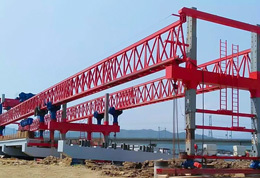
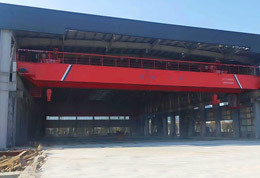
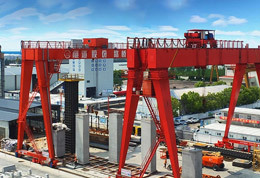
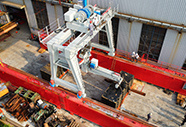
Gantry cranes are indispensable tools in various industrial settings, renowned for their versatility and efficiency in lifting and transporting heavy materials. This type of crane consists of two vertical legs that support a horizontal beam, allowing for easy movement of loads across a designated area. Understanding the functionality and advantages of gantry cranes can significantly enhance operat
Author:
One of the primary benefits of gantry cranes is their adaptability. They can be used in indoor and outdoor environments and are available in a range of sizes and configurations to fit specific needs. Whether it is a small workshop or a large construction site, gantry cranes can be customized to meet varying load capacities and height requirements. This flexibility makes them an ideal choice for businesses that require efficient lifting solutions.
In addition to their adaptability, gantry cranes are relatively easy to install and operate. Unlike other types of cranes, they do not require permanent installation, allowing companies to move them when necessary. This mobility is particularly advantageous for projects that demand flexibility in equipment placement. Furthermore, many gantry cranes can be operated manually or with electric hoists, providing options that suit different operational preferences and budgets.
Safety is another critical aspect of gantry cranes. When utilized correctly, they significantly reduce the risk of workplace injuries associated with heavy lifting. It is essential for operators to follow proper safety protocols, including regular maintenance and inspections, to ensure the crane operates smoothly. Training staff on safe operating procedures is vital to maximize safety and efficiency in the workplace.
Another consideration when utilizing gantry cranes is their suitability for various applications. Common uses include lifting heavy machinery, transporting materials, and facilitating assembly line operations. Their design allows for seamless movement along the beam, making them ideal for tasks that require precise positioning and control. This capability is particularly beneficial in environments where space is limited or where intricate maneuvers are necessary.
Lastly, when selecting a gantry crane, businesses should evaluate their specific requirements, including load capacity, height, and span. Assessing these factors will help ensure that the chosen crane meets operational needs while maintaining safety and efficiency.
In conclusion, gantry cranes are vital components in industrial operations, offering a blend of flexibility, safety, and efficiency. Understanding their features and applications allows businesses to make informed decisions that enhance productivity and ensure the safe handling of heavy loads.
Key words:
Related news
WeChat:
+86 18888789997
E-mail:
New plant area:
Gaojing Village, Dongguan Street, Shangyu District, Shaoxing City, Zhejiang Province
SEND AN INQUIRY
*Leave your contact information to get a free product quote
Be a professional lifting equipment design manufacturer