Zhejiang Zhongjian Road&Bridge Machinery Co., Ltd


-
-
About us
-
-
Engineering
-
Contact
-

19
2026
-
02
Understanding Overhead Cranes: Essential Insights for Industrial Applications
Overhead cranes are vital pieces of equipment in numerous industries, particularly in manufacturing and construction. These cranes are designed to lift and move heavy loads with precision, allowing for increased productivity and safety in workplaces. By understanding the mechanics and applications of overhead cranes, businesses can optimize their operations and ensure a safer working environment.
Author:
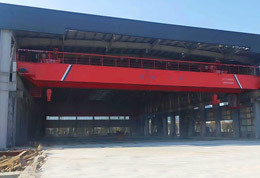
An overhead crane typically consists of a hoist, a trolley, and a bridge that spans the width of the work area. The hoist is responsible for lifting the load, while the trolley moves the load along the bridge. This design allows for maximum utilization of space, as the crane operates above the ground, leaving the floor area clear for other activities. Overhead cranes can be powered by electricity, hydraulics, or manual systems, depending on the specific requirements of the operation.
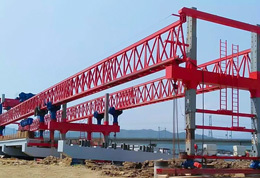
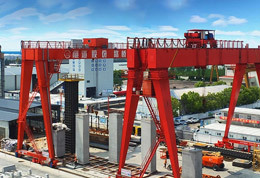
There are several types of overhead cranes, including bridge cranes, gantry cranes, and jib cranes. Bridge cranes are commonly used in large warehouses and manufacturing facilities, as they provide excellent coverage and can handle heavy loads across wide spans. Gantry cranes, on the other hand, are often used in outdoor environments and can move on wheels or tracks, making them versatile for various applications. Jib cranes, which consist of a horizontal arm attached to a vertical post, are ideal for lifting loads in smaller areas and can be easily positioned where needed.
One of the most significant advantages of using overhead cranes is their ability to improve efficiency and productivity. By automating the material handling process, businesses can reduce the risk of injuries related to manual lifting and transportation of heavy items. Additionally, overhead cranes allow for precise placement of loads, which is crucial in preventing damage to products and ensuring smooth operations.
Safety is a paramount concern in any industrial setting, and overhead cranes come equipped with various safety features to minimize risks. These may include overload protection systems, limit switches, and emergency stop buttons. Regular maintenance and inspections are also essential to ensure that the cranes operate safely and efficiently.
In conclusion, overhead cranes play a crucial role in modern industrial operations, providing an effective solution for moving and lifting heavy loads. Understanding the different types and functionalities of overhead cranes can help businesses make informed decisions about their material handling needs. By investing in the right overhead crane systems, companies can enhance productivity, ensure safety, and optimize their overall operational efficiency.
Key words:
Related news
WeChat:
+86 18888789997
E-mail:
New plant area:
Gaojing Village, Dongguan Street, Shangyu District, Shaoxing City, Zhejiang Province
SEND AN INQUIRY
*Leave your contact information to get a free product quote
Be a professional lifting equipment design manufacturer