Zhejiang Zhongjian Road&Bridge Machinery Co., Ltd


-
-
About us
-
-
Engineering
-
Contact
-




16
2026
-
02
Understanding the Mechanics: How Gantry Cranes Operate - A Comprehensive Overview
Understanding the Mechanics: How Gantry Cranes Operate Table of Contents 1. Introduction to Gantry Cranes 2. What is a Gantry Crane? 3. Key Components of Gantry Cranes 4. Operational Principles of Gantry Cranes 5. Types of Gantry Cranes and Their Applications 6. Maintenance and Safety Considerations 7. Advantages of Using Gantry Cranes 8. The Future of Gantry Crane
Author:
Understanding the Mechanics: How Gantry Cranes Operate
Table of Contents
- 1. Introduction to Gantry Cranes
- 2. What is a Gantry Crane?
- 3. Key Components of Gantry Cranes
- 4. Operational Principles of Gantry Cranes
- 5. Types of Gantry Cranes and Their Applications
- 6. Maintenance and Safety Considerations
- 7. Advantages of Using Gantry Cranes
- 8. The Future of Gantry Cranes in Industrial Operations
- 9. Frequently Asked Questions (FAQs)
- 10. Conclusion
1. Introduction to Gantry Cranes
Gantry cranes are essential equipment in various industrial settings, known for their versatility and efficiency in lifting heavy loads. Their unique design allows them to move along a track, providing enhanced mobility and accessibility in workshops, warehouses, and construction sites. Understanding the mechanics of gantry cranes is crucial for operators and managers alike to ensure optimal performance and safety.
2. What is a Gantry Crane?
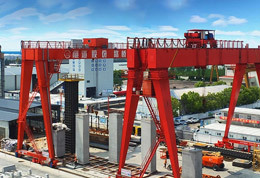
A gantry crane is a type of overhead crane that consists of a platform supported by two or more legs, which move on wheels along a track. This design allows the crane to straddle the load, providing stability and control during lifting operations. Gantry cranes are available in various sizes, ranging from small, portable models to large, fixed installations capable of lifting thousands of pounds.
3. Key Components of Gantry Cranes
Understanding the key components of gantry cranes is essential to grasp how they operate effectively. The primary components include:
3.1. Structure
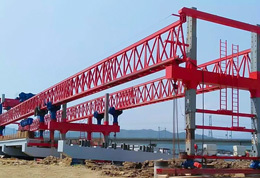
The structure of a gantry crane is typically made of steel, ensuring durability and strength. The legs, crossbeam, and overhead frame work together to support the load being lifted.
3.2. Hoist Mechanism
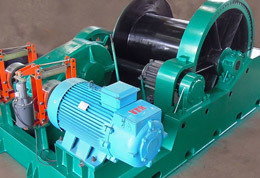
The hoist mechanism is responsible for lifting and lowering loads. It consists of a drum, cable, and hook, all designed to handle heavy weights.
3.3. Wheels and Tracks
Gantry cranes move on wheels that run along tracks. The design of the wheels allows for smooth movement, while the tracks provide a stable pathway for the crane.
3.4. Control System
Modern gantry cranes are equipped with sophisticated control systems that allow operators to maneuver the crane with precision. Controls can be manual or automated, depending on the complexity of the operation.
4. Operational Principles of Gantry Cranes
Gantry cranes operate using fundamental mechanical principles. Here's how they function:
4.1. Load Distribution
When lifting a load, the weight is distributed evenly across the crane’s structure. This distribution is critical to maintaining stability and preventing tipping or collapse.
4.2. Lifting Mechanism
The hoist mechanism raises the load by winding the cable around the drum. The operator can adjust the height by controlling the speed and direction of the hoist.
4.3. Movement
The crane moves along its tracks using the wheels, allowing it to position itself over the load and transport it to the desired location.
5. Types of Gantry Cranes and Their Applications
Gantry cranes come in various types, each designed for specific applications:
5.1. Portable Gantry Cranes
These lightweight cranes are designed for easy transport and setup. They are ideal for small workshops and construction sites where space is limited.
5.2. Full-Size Gantry Cranes
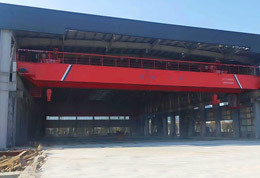
Full-size gantry cranes are used in industrial environments for heavy lifting. They can handle substantial loads and are often fixed in place.
5.3. Adjustable Gantry Cranes
Adjustable models offer flexibility in lifting heights. They are suitable for various tasks and can be adapted to different load requirements.
5.4. Steel Gantry Cranes
These are made from high-strength steel and are used in heavy-duty applications, such as manufacturing and shipping industries.
6. Maintenance and Safety Considerations
Proper maintenance and safety measures are critical for the longevity and effectiveness of gantry cranes:
6.1. Regular Inspections
Conducting routine inspections of all crane components helps identify potential issues before they become serious problems.
6.2. Lubrication
Regular lubrication of moving parts ensures smooth operation and reduces wear and tear.
6.3. Operator Training
Training operators to use gantry cranes safely and effectively minimizes the risk of accidents and ensures compliance with industry standards.
7. Advantages of Using Gantry Cranes
Gantry cranes offer several advantages for various industries:
7.1. Versatility
Their ability to lift a wide range of loads makes gantry cranes invaluable across multiple applications.
7.2. Cost-Effectiveness
Compared to other lifting equipment, gantry cranes are often more affordable and require less maintenance.
7.3. Mobility
Many gantry cranes are designed for easy movement, allowing operators to transport them to different locations as needed.
8. The Future of Gantry Cranes in Industrial Operations
As technology advances, the future of gantry cranes looks promising. Innovations in automation, such as remote control and smart technology, are set to enhance their functionality and efficiency. Furthermore, the demand for eco-friendly solutions is pushing manufacturers to develop more sustainable models.
9. Frequently Asked Questions (FAQs)
9.1. What is the maximum load capacity of a gantry crane?
The load capacity of a gantry crane varies widely, with some models capable of lifting several tons. It's essential to consult the manufacturer’s specifications for precise information.
9.2. How often should gantry cranes be inspected?
Gantry cranes should be inspected regularly, typically every six months, or more frequently depending on usage and industry regulations.
9.3. Can gantry cranes be used outdoors?
Yes, many gantry cranes are designed for outdoor use, but it's crucial to check the specifications and materials to ensure durability against weather conditions.
9.4. What are the common safety features of gantry cranes?
Common safety features include emergency stop buttons, load limiters, and anti-collision systems.
9.5. How do I choose the right gantry crane for my needs?
Consider factors such as load capacity, height requirements, mobility, and the specific application when selecting a gantry crane.
10. Conclusion
In summary, gantry cranes are vital tools in various industrial applications due to their versatility, efficiency, and cost-effectiveness. Understanding their mechanics, components, and operational principles is crucial for maximizing their potential and ensuring safety. As technology continues to evolve, the future of gantry cranes promises even greater advancements, further solidifying their role in the lifting equipment landscape.
Key words:
Related news
WeChat:
+86 18888789997
E-mail:
New plant area:
Gaojing Village, Dongguan Street, Shangyu District, Shaoxing City, Zhejiang Province
SEND AN INQUIRY
*Leave your contact information to get a free product quote
Be a professional lifting equipment design manufacturer