Zhejiang Zhongjian Road&Bridge Machinery Co., Ltd


-
-
About us
-
-
Engineering
-
Contact
-

10
2026
-
02
Integrating Form Traveller into Your Construction Strategy: A Comprehensive Guide
Integrating Form Traveller into Your Construction Strategy Table of Contents 1. Introduction to Form Travellers in Construction 2. What is a Form Traveller? 3. Benefits of Using Form Travellers in Construction 4. Types of Form Travellers 5. Integrating Form Traveller into Your Construction Strategy 6. Best Practices for Utilizing Form Travellers 7. Case Studies: Succes
Author:
Integrating Form Traveller into Your Construction Strategy
Table of Contents
- 1. Introduction to Form Travellers in Construction
- 2. What is a Form Traveller?
- 3. Benefits of Using Form Travellers in Construction
- 4. Types of Form Travellers
- 5. Integrating Form Traveller into Your Construction Strategy
- 6. Best Practices for Utilizing Form Travellers
- 7. Case Studies: Successful Implementation of Form Travellers
- 8. Potential Challenges and Solutions
- 9. Frequently Asked Questions
- 10. Conclusion
1. Introduction to Form Travellers in Construction
The construction industry continually seeks to enhance efficiency and reduce costs. Integrating advanced technologies and equipment is key to achieving these goals. Among these technologies, **Form Travellers** stand out as a revolutionary tool in the construction of bridges, high-rise buildings, and other complex structures. Understanding how to effectively incorporate Form Travellers into your construction strategy can lead to significant benefits in project execution.
2. What is a Form Traveller?
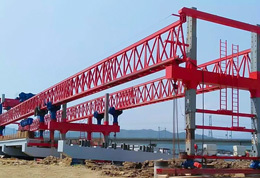
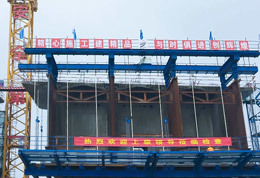
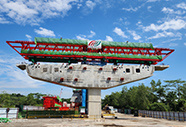
A Form Traveller is a specialized piece of equipment used in the construction process, particularly for creating cast-in-place concrete structures. It functions as a movable formwork system, allowing for the continuous pouring of concrete in a controlled and efficient manner. This method not only streamlines construction timelines but also enhances the quality of the concrete pour.
The Form Traveller can be used in various applications, including:
- **Bridges**: Enabling the construction of long spans and complex geometries.
- **High-rise buildings**: Facilitating the vertical construction of building cores and walls.
- **Specialty structures**: Supporting unique architectural designs requiring precise concrete placements.
3. Benefits of Using Form Travellers in Construction
The adoption of Form Travellers in construction projects offers numerous advantages that can significantly impact project outcomes. These benefits include:
3.1. Enhanced Construction Efficiency
Using Form Travellers allows for rapid construction cycles. The ability to pour concrete continuously reduces the time spent on formwork assembly and disassembly, leading to faster project completion.
3.2. Improved Quality Control
Form Travellers provide a controlled environment for pouring, which enhances the quality of the concrete. This results in fewer defects and a more uniform finish, ensuring that structural integrity is maintained.
3.3. Cost Savings
The efficiency gained from using Form Travellers translates into significant cost savings. Reduced labor costs, shorter project durations, and minimized material waste contribute to overall project affordability.
3.4. Flexibility in Design
Form Travellers can be customized to accommodate various architectural designs. This versatility allows contractors to pursue innovative designs without compromising on structural performance.
3.5. Safety Improvements
The use of Form Travellers minimizes the need for scaffolding and other temporary support systems, reducing the risk of accidents on site and improving overall worker safety.
4. Types of Form Travellers
Understanding the different types of Form Travellers is essential when considering their integration into construction strategies. The primary types include:
4.1. Self-Propelled Form Travellers
These units are equipped with their own propulsion systems, allowing them to move along the construction site with minimal manual intervention. They are particularly useful for projects requiring frequent repositioning.
4.2. Rail-Operated Form Travellers
Rail-operated Form Travellers travel along predefined tracks, providing stability and precision during the concrete pouring process. They are ideal for large-scale projects where consistent movements are crucial.
4.3. Cantilevered Form Travellers
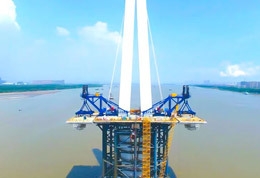
Designed for projecting outwards from a structure, cantilevered Form Travellers enable construction in hard-to-reach areas. This type is often used in bridge construction or when erecting structures over water.
5. Integrating Form Traveller into Your Construction Strategy
To maximize the benefits of Form Travellers, a well-thought-out integration strategy is essential. Here are key steps to consider:
5.1. Assess Project Requirements
Before integration, evaluate the specific needs of your project. Consider the scale, design complexity, and timeline to determine whether a Form Traveller is the appropriate solution.
5.2. Select the Right Type of Form Traveller
Choose a Form Traveller that aligns with your project requirements. Factors such as site conditions, structural demands, and budget constraints should all be taken into account.
5.3. Collaborate with Engineers and Contractors
Engaging with civil engineers and construction contractors early in the planning process can ensure that the Form Traveller is seamlessly incorporated into the overall project strategy.
5.4. Training and Safety Protocols
Implement comprehensive training programs for the crew operating the Form Traveller. Establish clear safety protocols to minimize risks associated with its use.
5.5. Continuous Monitoring and Evaluation
Regularly assess the performance of the Form Traveller throughout the construction process. Make adjustments as necessary to optimize efficiency and quality.
6. Best Practices for Utilizing Form Travellers
To get the most out of your Form Travellers, adhere to these best practices:
6.1. Detailed Planning and Scheduling
Create a thorough project plan that accounts for all phases of construction involving the Form Traveller. A well-structured schedule helps prevent delays and keeps the project on track.
6.2. Quality Control Checks
Implement routine quality control checks during the concrete pouring process. This ensures that any issues are promptly addressed, maintaining the integrity of the structure.
6.3. Communication is Key
Foster open lines of communication among all team members involved in the project. This includes contractors, engineers, and safety officers, ensuring everyone is aligned on project goals and safety protocols.
6.4. Utilize Advanced Technology
Incorporate technologies, such as project management software and real-time monitoring systems, to enhance the efficiency of Form Traveller operations.
6.5. Evaluate and Adapt
After completing a project, assess the effectiveness of the Form Traveller integration. Gather feedback from the team and identify areas for improvement in future projects.
7. Case Studies: Successful Implementation of Form Travellers
Examining real-world examples can provide valuable insights into the successful integration of Form Travellers.
7.1. Case Study: Bridge Construction
In a recent bridge project, the use of a self-propelled Form Traveller allowed the construction team to complete the bridge ahead of schedule. The continuous concrete pouring method significantly reduced labor costs and improved the overall quality of the structure.
7.2. Case Study: High-Rise Building
A high-rise building project utilized rail-operated Form Travellers to efficiently construct the building's core. This approach minimized construction time and reduced the number of workers required on-site, contributing to a safer working environment.
8. Potential Challenges and Solutions
While Form Travellers offer numerous benefits, they also present challenges. Here are common issues and their solutions:
8.1. Initial Cost Investment
**Challenge**: The upfront cost of purchasing or renting Form Travellers can be significant.
**Solution**: Conduct a cost-benefit analysis to determine long-term savings gained through enhanced efficiency and reduced labor.
8.2. Technical Training
**Challenge**: Properly operating Form Travellers requires specialized training.
**Solution**: Invest in comprehensive training programs that equip workers with the necessary skills and knowledge.
8.3. Maintenance and Repairs
**Challenge**: Regular maintenance is crucial to ensure optimal performance.
**Solution**: Establish a maintenance schedule and engage qualified technicians for repairs and upkeep.
9. Frequently Asked Questions
Q1: How does a Form Traveller improve construction efficiency?
A: Form Travellers allow for continuous concrete pouring, reducing the time spent on formwork assembly and enabling faster project completion.
Q2: What types of projects benefit most from Form Travellers?
A: Form Travellers are particularly beneficial for complex structures like bridges and high-rise buildings, where precision and efficiency are critical.
Q3: Are there safety concerns with using Form Travellers?
A: While they offer safety improvements by reducing the need for scaffolding, proper training and safety protocols are essential to mitigate risks.
Q4: Can Form Travellers be customized for specific projects?
A: Yes, Form Travellers can be tailored to meet the unique design and structural needs of each project.
Q5: What are the maintenance requirements for Form Travellers?
A: Regular maintenance checks are crucial to ensure the equipment operates efficiently and safely, including routine inspections and necessary repairs.
10. Conclusion
Integrating Form Travellers into your construction strategy presents a valuable opportunity for enhancing project efficiency and quality. By understanding the types of Form Travellers available, their benefits, and best practices for integration, construction professionals can achieve significant advancements in their projects. As the industry evolves, embracing innovative solutions like Form Travellers will be crucial in meeting the demands of modern construction.
Key words:
Related news
WeChat:
+86 18888789997
E-mail:
New plant area:
Gaojing Village, Dongguan Street, Shangyu District, Shaoxing City, Zhejiang Province
SEND AN INQUIRY
*Leave your contact information to get a free product quote
Be a professional lifting equipment design manufacturer