Zhejiang Zhongjian Road&Bridge Machinery Co., Ltd


-
-
About us
-
-
Engineering
-
Contact
-


04
2026
-
02
Maintaining Your Overhead Crane: Essential Tips for Longevity and Safety
Maintaining Your Overhead Crane: Essential Tips for Longevity and Safety Table of Contents Understanding Overhead Cranes: An Overview The Importance of Overhead Crane Maintenance Conducting Regular Inspections: What to Look For Understanding Lubrication Systems for Overhead Cranes Load Testing: Ensuring Safety and Compliance Implementing Safety Procedures for Crane Operation Training Operators: T
Author:
Maintaining Your Overhead Crane: Essential Tips for Longevity and Safety
Table of Contents
- Understanding Overhead Cranes: An Overview
- The Importance of Overhead Crane Maintenance
- Conducting Regular Inspections: What to Look For
- Understanding Lubrication Systems for Overhead Cranes
- Load Testing: Ensuring Safety and Compliance
- Implementing Safety Procedures for Crane Operation
- Training Operators: The Key to Safety
- Common Maintenance Mistakes to Avoid
- Conclusion: Ensuring Safety and Longevity
- FAQs About Overhead Crane Maintenance
Understanding Overhead Cranes: An Overview
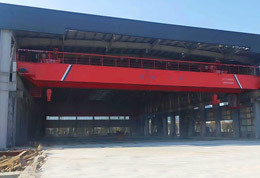
Overhead cranes are integral to various industrial operations, designed to lift and move heavy loads with precision. They are commonly used in warehouses, manufacturing facilities, and construction sites to enhance productivity and efficiency. Understanding their components, including the hoist, trolley, and bridge, is crucial for effective maintenance.
The functionality of an overhead crane relies heavily on its design and mechanical systems. Therefore, being proactive about maintenance not only helps prolong the life of the equipment but also enhances workplace safety.
The Importance of Overhead Crane Maintenance
Regular maintenance of overhead cranes is vital for several reasons. Firstly, it prevents unexpected breakdowns, which can lead to costly downtime and repairs. Secondly, well-maintained equipment reduces the risk of accidents that can result in injuries or fatalities.
Moreover, compliance with safety regulations is non-negotiable. In many regions, organizations must adhere to safety standards set by governing bodies. Failing to maintain equipment can lead to legal repercussions and damage to a company's reputation.
In summary, investing time and resources into maintaining overhead cranes translates to long-term savings, improved safety, and enhanced operational efficiency.
Conducting Regular Inspections: What to Look For
Regular inspections are the backbone of an effective maintenance strategy. A thorough inspection should cover the following components:
Visual Inspection
Begin by conducting a visual inspection of the crane's overall condition. Look for signs of wear, rust, or damage to structural components. Pay attention to the hoisting mechanism, including hooks and cables, as these are critical to safe operation.
Electrical Systems
Examine electrical components, including switches, controls, and wiring. Ensure that there are no frayed wires or exposed connections, as these can lead to electrical failures or hazards.
Mechanical Components
Inspect mechanical parts such as gears, bearings, and pulleys. Check for proper lubrication and alignment, as these factors are essential for smooth operation.
Safety Features
Finally, verify that all safety features, such as limit switches and emergency stop buttons, are functioning correctly. These features are designed to prevent accidents and should never be neglected.
Understanding Lubrication Systems for Overhead Cranes
A well-functioning lubrication system is crucial for the longevity of your overhead crane. Lubrication reduces friction between moving parts, preventing excessive wear and tear. Here are the essential aspects of crane lubrication:
Types of Lubricants
Use high-quality lubricants that are specifically formulated for industrial applications. Common types include grease, oil, and synthetic lubricants, each serving a unique purpose.
Lubrication Schedule
Establish a lubrication schedule based on the manufacturer's recommendations and operational conditions. Regularly lubricate critical points, such as gears and bearings, to ensure optimal performance.
Inspection of Lubrication Systems
Inspect the lubrication system during regular maintenance checks. Look for leaks, blockages, or any signs that may indicate insufficient lubrication.
Load Testing: Ensuring Safety and Compliance
Load testing is a critical aspect of crane maintenance. This process verifies that the crane can safely lift and move loads within its rated capacity.
Frequency of Load Testing
Conduct load testing regularly, especially after any significant repairs or modifications. Adhering to a schedule based on industry regulations is essential for compliance.
Procedure for Load Testing
Load testing involves gradually increasing the load while monitoring for any signs of failure. This not only ensures the safety of the crane but also verifies the accuracy of load indicators.
Implementing Safety Procedures for Crane Operation
Establishing and following safety procedures is paramount in preventing accidents and ensuring the well-being of all personnel involved in crane operations.
Standard Operating Procedures (SOPs)
Develop SOPs that outline how to operate the crane safely. Include detailed steps for pre-operation checks, operation, and post-operation procedures.
Daily Safety Briefings
Conduct daily safety briefings to remind operators of safe practices. These briefings can help reinforce awareness and encourage open communication about potential hazards.
Training Operators: The Key to Safety
Proper training for crane operators cannot be overstated. It is essential to ensure that operators possess the necessary skills and knowledge for safe crane operation.
Certification Programs
Encourage participation in certification programs, which can provide comprehensive training on crane operation, safety protocols, and emergency procedures.
Ongoing Training and Assessments
Regularly assess operators' skills and provide ongoing training to keep them updated on the latest safety practices and technologies.
Common Maintenance Mistakes to Avoid
Avoiding common maintenance pitfalls can save you time, money, and enhance safety. Here are some mistakes to be mindful of:
Ignoring Manufacturer Guidelines
Always adhere to the manufacturer’s maintenance guidelines. Ignoring these instructions can lead to equipment failure and compromise safety.
Neglecting Record Keeping
Failure to maintain proper records of inspections and maintenance can create compliance issues and hinder your ability to track performance and make informed decisions.
Postponing Repairs
Do not delay necessary repairs, no matter how minor they seem. What starts as a small issue can quickly escalate into a larger, more costly problem.
Conclusion: Ensuring Safety and Longevity
Maintaining your overhead crane is not just about meeting regulatory requirements; it’s about fostering a culture of safety and reliability within your organization. By implementing regular inspections, adhering to proper lubrication practices, conducting load tests, and ensuring effective operator training, you can extend the life of your crane and create a safer work environment.
Investing in maintenance is ultimately an investment in your team's safety and your business's operational efficiency. A proactive approach to crane maintenance will pay dividends in the long run, ensuring that your equipment operates smoothly and safely for many years to come.
FAQs About Overhead Crane Maintenance
1. How often should I inspect my overhead crane?
Regular inspections should be conducted at least once a month, and more frequently if the crane is used in demanding conditions.
2. What are the signs of wear on an overhead crane?
Signs of wear may include unusual noises, decreased lifting capacity, visible rust or corrosion, and damaged components.
3. Is load testing required by law?
Yes, load testing is often required to comply with safety regulations, and it should be conducted regularly and after significant repairs.
4. How can I train my operators effectively?
Utilize certified training programs and conduct ongoing assessments and training to ensure operators are knowledgeable about safety measures and equipment operation.
5. What should I do if I notice a maintenance issue?
Address any maintenance issues immediately by consulting with a qualified technician. Do not operate the crane until the problem has been resolved.
By following these guidelines and practices, you can ensure the longevity and safety of your overhead cranes, protecting both your investment and your workforce.
Key words:
Related news
WeChat:
+86 18888789997
E-mail:
New plant area:
Gaojing Village, Dongguan Street, Shangyu District, Shaoxing City, Zhejiang Province
SEND AN INQUIRY
*Leave your contact information to get a free product quote
Be a professional lifting equipment design manufacturer