Zhejiang Zhongjian Road&Bridge Machinery Co., Ltd


-
-
About us
-
-
Engineering
-
Contact
-

01
2026
-
02
Understanding Gantry Cranes: Essential Insights for Industrial Applications
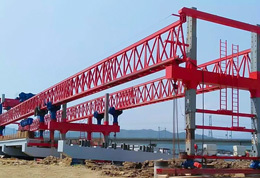
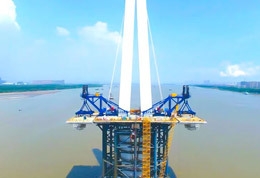
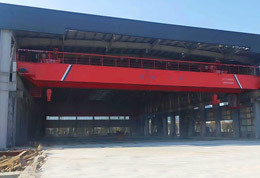
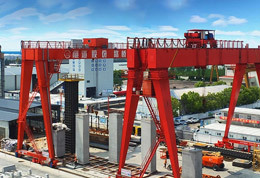
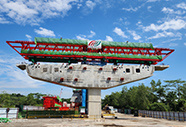
Gantry cranes are crucial equipment in various industrial settings, providing effective solutions for lifting and transporting heavy materials. Characterized by their overhead structure, consisting of two vertical legs connected by a horizontal beam, these cranes offer exceptional versatility and mobility. They can be found in manufacturing plants, construction sites, and shipping yards, playing a
Author:
One of the primary benefits of gantry cranes is their ability to lift and move heavy loads with precision. They can handle a wide range of weights and sizes, making them suitable for various tasks, from assembling large components to loading and unloading shipping containers. This adaptability is essential in industries where different materials and equipment must be managed efficiently.
Gantry cranes come in different types, including adjustable height, portable, and fixed versions. Adjustable height gantry cranes allow users to modify the lifting height based on specific requirements, providing flexibility in operations. Portable gantry cranes are lightweight and easy to move, ideal for tasks that require mobility, while fixed gantry cranes offer stability and strength for more substantial lifting operations.
Another significant advantage of gantry cranes is their ability to operate in confined spaces. Unlike traditional overhead cranes, which require extensive installation and infrastructure, gantry cranes can be set up and used in areas with limited headroom or space. This makes them an excellent choice for smaller facilities where maximizing floor space is essential.
Safety is paramount in any industrial environment, and gantry cranes are designed with this in mind. They are typically equipped with safety features such as limit switches, emergency stops, and overload protection systems. These features help prevent accidents and ensure that operations run smoothly. Additionally, operators are often trained in safety protocols to minimize risks associated with lifting operations.
In terms of maintenance, gantry cranes are relatively easy to maintain. Regular inspections and proper care can extend their lifespan and ensure optimal performance. It is essential to follow manufacturer guidelines for maintenance schedules and procedures to prevent potential issues.
In conclusion, gantry cranes are indispensable in the industrial sector, combining versatility, safety, and efficiency in material handling. Their ability to operate in various environments and adapt to different requirements makes them a preferred choice for many businesses. Understanding the features and applications of gantry cranes can help professionals make informed decisions regarding their use in industrial applications, ultimately contributing to enhanced productivity and safety in the workplace.
Key words:
Related news
WeChat:
+86 18888789997
E-mail:
New plant area:
Gaojing Village, Dongguan Street, Shangyu District, Shaoxing City, Zhejiang Province
SEND AN INQUIRY
*Leave your contact information to get a free product quote
Be a professional lifting equipment design manufacturer