Zhejiang Zhongjian Road&Bridge Machinery Co., Ltd


-
-
About us
-
-
Engineering
-
Contact
-

10
2026
-
01
Overhead Cranes vs. Forklifts: Which is Best for Your Business?
Overhead Cranes vs. Forklifts: Which is Best for Your Business? When it comes to handling heavy loads in industrial settings, the choice between overhead cranes and forklifts can significantly affect your operational efficiency, safety, and costs. Understanding the unique features, advantages, and ideal applications of each lifting solution is essential for making the best choice for your business
Author:
Overhead Cranes vs. Forklifts: Which is Best for Your Business?
When it comes to handling heavy loads in industrial settings, the choice between overhead cranes and forklifts can significantly affect your operational efficiency, safety, and costs. Understanding the unique features, advantages, and ideal applications of each lifting solution is essential for making the best choice for your business. In this article, we will explore the critical aspects of both overhead cranes and forklifts, guiding you through their functionalities, benefits, and considerations to help you determine which equipment is best suited for your needs.
Table of Contents
- 1. Overview of Overhead Cranes and Forklifts
- 2. Operational Mechanisms: How Do They Work?
- 3. Advantages of Overhead Cranes
- 4. Advantages of Forklifts
- 5. Cost Considerations: Overhead Cranes vs. Forklifts
- 6. Safety Considerations for Both Equipment Types
- 7. Ideal Applications for Overhead Cranes and Forklifts
- 8. Conclusion: Making the Right Choice for Your Business
- 9. Frequently Asked Questions
1. Overview of Overhead Cranes and Forklifts
Overhead cranes and forklifts are essential pieces of equipment in various industrial sectors, including manufacturing, warehousing, and construction. While both are designed to lift heavy loads, they serve different purposes and are used in distinct environments.
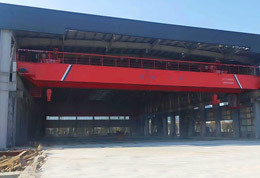
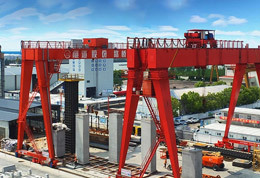
**Overhead cranes** are typically fixed in place and utilize a system of beams and hoists to transport loads across a designated area. Their design allows for efficient movement of materials over obstacles, making them ideal for manufacturing plants, assembly lines, and shipping yards.
**Forklifts**, on the other hand, are mobile machines equipped with forks for lifting and transporting pallets and other heavy items. They are highly versatile and can navigate tight spaces, making them suitable for warehouses and retail environments. Understanding these basic differences is the first step in determining which equipment aligns with your business needs.
2. Operational Mechanisms: How Do They Work?
Overhead Cranes: The Mechanics Behind Their Operation
Overhead cranes operate through a system of tracks and trolleys, allowing them to move horizontally along the beams. The crane's hoist mechanism is responsible for lifting and lowering loads, typically utilizing a hook or other specialized attachments. This design enables cranes to cover large areas and lift heavy materials with precision.
Forklifts: Understanding Their Functionality
Forklifts use hydraulic systems for vertical lifting. Operators control the forks' movement to raise or lower loads while navigating through aisles and various terrains. The versatility of forklifts allows them to handle different types of loads, including pallets, boxes, and even large machinery. Their maneuverability makes them indispensable in environments where space is limited.
3. Advantages of Overhead Cranes
Choosing overhead cranes for your business comes with several advantages that can enhance productivity and safety in your operations.
Enhanced Load Capacity
Overhead cranes are designed to lift substantial weights, often exceeding the lifting capacities of forklifts. This makes them ideal for heavy industrial applications where the movement of bulky materials is necessary.
Space Optimization
By utilizing vertical space, overhead cranes can free up floor space, allowing for better organization and operational flow. This is particularly beneficial in environments where ground space is at a premium, such as manufacturing and assembly facilities.
Reduced Risk of Damage
The design of overhead cranes minimizes the risk of load damage due to their ability to lift materials smoothly and consistently. Unlike forklifts, which may jostle loads when navigating, cranes provide a stable and controlled lifting environment.
4. Advantages of Forklifts
While overhead cranes offer substantial benefits, forklifts also have unique advantages that make them a preferred choice in various situations.
Mobility and Versatility
Forklifts are inherently mobile, allowing operators to transport loads across different areas quickly. This versatility is crucial in environments like warehouses, where products need to be moved frequently and efficiently.
Lower Initial Investment
For businesses operating on a tighter budget, forklifts typically represent a lower initial investment. Their lower purchase costs, along with cheaper maintenance expenses, can make them an attractive option for small to medium-sized enterprises.
Ease of Operation
Forklifts are generally easier to operate than overhead cranes, requiring less specialized training. This accessibility enables companies to train their workforce quickly and efficiently, leading to enhanced productivity.
5. Cost Considerations: Overhead Cranes vs. Forklifts
When evaluating the financial implications of overhead cranes and forklifts, several factors come into play, including initial costs, maintenance, and operational expenses.
Initial Costs
Overhead cranes can be costly due to their complex installation and engineering requirements. In contrast, forklifts are more affordable upfront, making them a more accessible option for businesses with budget constraints.
Maintenance and Operational Costs
While overhead cranes require regular inspections and maintenance to ensure safety and efficiency, they often have a longer lifespan, which can offset initial costs in the long run. Forklifts, though cheaper to maintain, may require more frequent repairs and part replacements, especially in high-use scenarios.
6. Safety Considerations for Both Equipment Types
Safety is a critical factor when selecting lifting equipment. Overhead cranes and forklifts each come with their own set of safety considerations.
Overhead Crane Safety
Overhead cranes must adhere to strict safety regulations, including regular inspections and operator certifications. Their potential for lifting heavy loads at significant heights necessitates a robust safety protocol to prevent accidents.
Forklift Safety
Forklift operations also require strict adherence to safety standards, including operator training and load management. The mobility of forklifts presents unique risks, such as tip-overs and collisions, which must be managed through proper training and operational guidelines.
7. Ideal Applications for Overhead Cranes and Forklifts
Understanding the ideal applications for both overhead cranes and forklifts can help you make an informed choice based on your operational needs.
Best Uses for Overhead Cranes
Overhead cranes excel in environments that require the movement of heavy, bulky materials over long distances. Common applications include:
- Manufacturing facilities for assembly line operations.
- Shipping and receiving areas where heavy loads need to be moved efficiently.
- Construction sites for lifting beams and heavy machinery.
Best Uses for Forklifts
Forklifts are optimal for environments where mobility and quick load handling are essential. They are commonly used in:
- Warehouses for picking and stacking products.
- Retail environments for managing inventory and restocking.
- Construction sites for transporting materials across uneven terrain.
8. Conclusion: Making the Right Choice for Your Business
Choosing between overhead cranes and forklifts ultimately depends on your specific operational needs, budget, and safety considerations. If your business requires moving heavy loads across large areas with stability and precision, overhead cranes may be the best fit. Conversely, if you need mobility, versatility, and a lower upfront investment, forklifts could serve your operations better.
By carefully evaluating the advantages, costs, and applications of each equipment type, you can make an informed decision that enhances productivity and safety in your workplace. Investing in the right lifting solution will not only streamline your operations but also contribute to the overall success of your business.
9. Frequently Asked Questions
1. What is the primary difference between overhead cranes and forklifts?
The primary difference lies in their design and functionality. Overhead cranes are fixed systems designed for lifting heavy loads across large areas, while forklifts are mobile machines used for lifting and transporting materials within confined spaces.
2. Which equipment is more cost-effective for small businesses?
Forklifts tend to be more cost-effective for small businesses due to their lower initial investment, maintenance costs, and ease of operation.
3. Are overhead cranes safer than forklifts?
Both equipment types have safety concerns, but overhead cranes often require more stringent safety protocols due to the heavy loads and heights involved. Forklifts can present risks related to mobility and collisions.
4. Can I use a forklift in place of an overhead crane?
While forklifts can handle various loads, they may not be suitable for tasks requiring the lifting of extremely heavy objects or for moving loads across long distances. Each equipment type has specific applications where it excels.
5. How do I determine the right lifting equipment for my industry?
Assess your operational needs, including the weight and size of the materials you handle, the available space, and your budget. Evaluating these factors will guide you in selecting the appropriate equipment for your industry.
Key words:
Related news
WeChat:
+86 18888789997
E-mail:
New plant area:
Gaojing Village, Dongguan Street, Shangyu District, Shaoxing City, Zhejiang Province
SEND AN INQUIRY
*Leave your contact information to get a free product quote
Be a professional lifting equipment design manufacturer