Zhejiang Zhongjian Road&Bridge Machinery Co., Ltd


-
-
About us
-
-
Engineering
-
Contact
-

05
2026
-
01
Understanding Overhead Cranes: Essential Insights for Industrial Applications
Overhead cranes are an essential component in the realm of industrial equipment and components, particularly within the lifting machinery sector. These cranes are designed to lift and move heavy loads efficiently within a workspace, making them invaluable for manufacturing, warehousing, and construction applications. Understanding the mechanics, types, and operational guidelines of overhead cranes
Author:
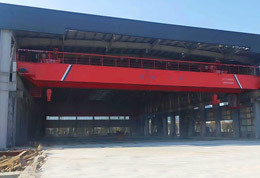
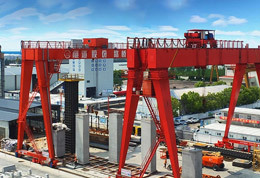
The primary function of an overhead crane is to facilitate the movement of materials from one location to another, often within a defined area. They are typically comprised of several key components, including the bridge, hoist, and trolley systems. The bridge spans the width of the workspace, supported by end trucks that allow it to move along rails. The hoist is the mechanism that lifts and lowers the load, while the trolley moves the hoist along the bridge.
There are various types of overhead cranes, including single girder and double girder cranes. Single girder cranes are often used for lighter loads and are more cost-effective, while double girder cranes can handle heavier loads and provide increased stability. Another important configuration is the workstation bridge crane, which is ideal for small areas and provides greater flexibility for handling lighter loads.
Operational safety is paramount when using overhead cranes. Proper training for operators is essential to ensure that they are well-versed in the crane's controls and safety features. Regular maintenance checks should also be performed to identify any wear and tear on the components. Key safety practices include conducting pre-operation inspections, using appropriate lifting gear, and adhering to load limits as specified by the manufacturer.
Additionally, it is crucial to consider the environment in which the overhead crane will be used. Factors such as the height of the facility, the weight of the loads, and the frequency of use will influence the selection and configuration of the crane. For instance, high-capacity overhead cranes may be necessary for environments where heavy machinery or materials are frequently moved.
In conclusion, overhead cranes play a vital role in enhancing operational efficiency within industrial settings. By understanding their components, types, and the importance of safety, professionals can make informed decisions that will lead to improved productivity and reduced workplace hazards. Whether selecting a crane for the first time or reviewing existing equipment, a solid grasp of overhead crane principles is indispensable for success in the industrial equipment sector.
Key words:
Related news
WeChat:
+86 18888789997
E-mail:
New plant area:
Gaojing Village, Dongguan Street, Shangyu District, Shaoxing City, Zhejiang Province
SEND AN INQUIRY
*Leave your contact information to get a free product quote
Be a professional lifting equipment design manufacturer