Zhejiang Zhongjian Road&Bridge Machinery Co., Ltd


-
-
About us
-
-
Engineering
-
Contact
-

31
2025
-
12
Innovative Features of Modern Overhead Cranes You Should Know
Innovative Features of Modern Overhead Cranes You Should Know Modern overhead cranes play a pivotal role in various industrial sectors, facilitating the movement of heavy loads with precision and ease. As the demands of industries evolve, so do the technologies underlying these cranes. In this article, we will explore the **innovative features** of modern overhead cranes, highlighting how they con
Author:
Innovative Features of Modern Overhead Cranes You Should Know
Modern overhead cranes play a pivotal role in various industrial sectors, facilitating the movement of heavy loads with precision and ease. As the demands of industries evolve, so do the technologies underlying these cranes. In this article, we will explore the **innovative features** of modern overhead cranes, highlighting how they contribute to improved safety, efficiency, and overall operational performance.
Table of Contents
- 1. Introduction to Modern Overhead Cranes
- 2. Advanced Technologies in Overhead Cranes
- 3. Smart Control Systems for Enhanced Operations
- 4. Safety Features That Make a Difference
- 5. Energy Efficiency and Sustainability
- 6. Integrated Systems for Streamlined Processes
- 7. Customization Options to Meet Unique Needs
- 8. Conclusion
- 9. FAQs
1. Introduction to Modern Overhead Cranes
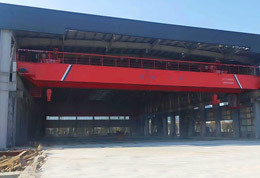
Overhead cranes, also known as bridge cranes, are crucial for transporting heavy materials across various facilities, including warehouses, manufacturing plants, and construction sites. Their design and functionality have significantly evolved, and modern overhead cranes are now equipped with an array of **innovative features** that enhance their capabilities. These advancements not only improve load handling but also contribute to the overall safety and efficiency of operations.
2. Advanced Technologies in Overhead Cranes
The integration of **advanced technologies** in overhead cranes has revolutionized the way these machines operate. Here are some notable features:
2.1 Electric and Hybrid Drives
Traditional overhead cranes often rely on hydraulic systems for movement. In contrast, modern cranes now utilize electric and hybrid drive systems that offer numerous advantages:
- **Reduced Maintenance**: Electric systems require less maintenance compared to hydraulic counterparts, leading to lower operational costs.
- **Enhanced Performance**: These systems provide smoother and more responsive control, allowing precise positioning of loads.
- **Lower Environmental Impact**: Electric and hybrid options contribute to reduced carbon emissions, aligning with sustainability goals.
2.2 Wireless Technology
Wireless technology has made significant strides in overhead crane operations:
- **Remote Control**: Operators can control cranes from a safe distance, minimizing risks associated with manual operation.
- **Data Transmission**: Real-time data transmission allows for better monitoring of crane performance and load conditions.
3. Smart Control Systems for Enhanced Operations
Modern overhead cranes are increasingly equipped with **smart control systems** that optimize efficiency and safety:
3.1 Load Monitoring Systems
Integrating load monitoring systems helps ensure safety during lifting operations. These systems provide real-time feedback on load weights, preventing overloading and potential accidents.
3.2 Automation and Robotics
The incorporation of automation and robotics is becoming prevalent:
- **Automated Load Handling**: Automated systems can handle repetitive tasks, reducing human error and increasing productivity.
- **Predictive Maintenance**: Smart systems can predict when maintenance is required, minimizing downtime and extending the lifespan of the crane.
4. Safety Features That Make a Difference
Safety is paramount in industrial operations, and modern overhead cranes are designed with multiple safety features:
4.1 Anti-Collision Systems
With multiple cranes operating in confined spaces, anti-collision systems are essential. These systems use sensors to prevent collisions between cranes and other structures or equipment.
4.2 Emergency Stop Mechanisms
Modern cranes are equipped with accessible emergency stop mechanisms, allowing operators to halt operations immediately in case of an emergency.
5. Energy Efficiency and Sustainability
As industries increasingly focus on sustainability, overhead cranes are evolving to meet these needs:
5.1 Energy-Efficient Components
Modern cranes utilize energy-efficient motors and drives, significantly reducing energy consumption during operations. This not only helps to lower costs but also contributes to a greener environment.
5.2 Regenerative Braking Systems
Regenerative braking systems allow cranes to recover energy during operation, redirecting it for future use. This leads to reduced energy loss and improved efficiency.
6. Integrated Systems for Streamlined Processes
Integrating overhead cranes with other systems enhances operational efficiency:
6.1 Warehouse Management Systems (WMS)
Connecting cranes with Warehouse Management Systems allows for real-time inventory tracking and streamlined logistics processes. This integration facilitates faster order fulfillment and improved resource allocation.
6.2 IoT Integration
The Internet of Things (IoT) allows cranes to communicate with other equipment, paving the way for cohesive operations across the facility. This connectivity ensures that all machinery operates in sync, optimizing workflows.
7. Customization Options to Meet Unique Needs
Every industrial operation is unique, and modern overhead cranes offer a range of **customization options**:
7.1 Adjustable Span and Height
Crane designs can be tailored to accommodate varying spans and heights, ensuring they fit seamlessly into existing facilities.
7.2 Specialized Attachments
Organizations can equip cranes with specialized attachments such as hooks, grabs, or magnets, allowing them to handle diverse types of loads efficiently.
8. Conclusion
Modern overhead cranes have transformed the landscape of industrial material handling, thanks to their **innovative features** and advancements in technology. These cranes enhance safety, improve operational efficiency, and support sustainability efforts within various industries. As technology continues to evolve, we can expect overhead cranes to become even more sophisticated, further redefining how we approach material handling in the future.
9. FAQs
What are the main advantages of modern overhead cranes?
Modern overhead cranes offer enhanced safety features, improved efficiency, and lower maintenance costs, making them a valuable asset in industrial operations.
How do smart control systems improve crane operations?
Smart control systems provide real-time data and automation, optimizing load handling and ensuring safer operations through monitoring and predictive maintenance.
What role does energy efficiency play in modern cranes?
Energy efficiency reduces operational costs and minimizes environmental impact, making overhead cranes more sustainable and cost-effective.
Can overhead cranes be customized for specific industries?
Yes, modern overhead cranes can be customized with adjustable spans, heights, and specialized attachments to meet the unique needs of different industries.
How does IoT integration benefit overhead crane operations?
IoT integration allows cranes to communicate with other equipment, optimizing workflows and enhancing overall operational efficiency.
In summary, the innovative features of modern overhead cranes are shaping the future of industrial operations, making them more efficient, safer, and environmentally friendly. By embracing these advancements, industries can significantly enhance their material handling capabilities and streamline processes for better productivity.
Key words:
Related news
WeChat:
+86 18888789997
E-mail:
New plant area:
Gaojing Village, Dongguan Street, Shangyu District, Shaoxing City, Zhejiang Province
SEND AN INQUIRY
*Leave your contact information to get a free product quote
Be a professional lifting equipment design manufacturer