Zhejiang Zhongjian Road&Bridge Machinery Co., Ltd


-
-
About us
-
-
Engineering
-
Contact
-


29
2025
-
12
Comprehensive Guide on Maintaining Your Gantry Crane for Longevity and Optimal Performance
How to Maintain Your Gantry Crane for Longevity and Performance Table of Contents Understanding the Importance of Maintaining Gantry Cranes Key Components of a Gantry Crane Routine Maintenance Checks for Gantry Cranes Effective Preventive Maintenance Strategies Common Issues and Their Solutions Best Practices for Gantry Crane Operations Safety Considerations in Gantry
Author:
How to Maintain Your Gantry Crane for Longevity and Performance
Table of Contents
- Understanding the Importance of Maintaining Gantry Cranes
- Key Components of a Gantry Crane
- Routine Maintenance Checks for Gantry Cranes
- Effective Preventive Maintenance Strategies
- Common Issues and Their Solutions
- Best Practices for Gantry Crane Operations
- Safety Considerations in Gantry Crane Maintenance
- Conclusion
- FAQs About Gantry Crane Maintenance
Understanding the Importance of Maintaining Gantry Cranes
Maintaining a gantry crane is crucial for ensuring its **longevity** and **performance**. Regular maintenance helps identify potential issues before they escalate into serious problems, ensuring safety and efficiency on the job site. A well-maintained crane can handle heavier loads, operate at optimal speeds, and significantly reduce the risk of accidents.
Key Components of a Gantry Crane
Before diving into maintenance practices, it's essential to understand the main components of a gantry crane:
1. Crane Structure
The frame of the crane, typically made from steel, provides the necessary support for lifting operations.
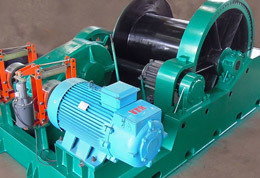
2. Hoist Mechanism
This component is responsible for lifting and lowering loads, typically featuring a motor and pulley system.
3. Wheels and Rails
These components facilitate movement along the designated path, with wheels often requiring lubrication and inspection.
4. Control System
The control system, which may include a remote control, allows operators to manage crane operations safely and efficiently.
5. Safety Devices
Safety devices, such as limit switches and emergency stops, are critical for preventing accidents and protecting both operators and equipment.
Routine Maintenance Checks for Gantry Cranes
Implementing a routine maintenance schedule can significantly enhance the performance and lifespan of your gantry crane. Here are some essential checks:
1. Daily Inspections
Conduct daily visual inspections before operation. Look for any signs of wear and tear, loose bolts, and unusual noises during operation.
2. Weekly Checks
Perform weekly checks on the hoist mechanism, ensuring all components are operating smoothly. Lubricate moving parts, including the wheels and rail system, to prevent friction and wear.
3. Monthly Maintenance
Once a month, inspect the electrical systems, including wiring, switches, and control panels, for any signs of damage or wear. This is also the time to check the crane's structural integrity.
4. Annual Maintenance
Schedule a comprehensive annual inspection with a qualified technician to assess the overall condition of the gantry crane. This should include a detailed analysis of all components and systems.
Effective Preventive Maintenance Strategies
Preventive maintenance is the key to ensuring your gantry crane operates efficiently for years to come.
1. Keep a Maintenance Log
Maintain a log of all inspections, repairs, and maintenance activities. This helps track the performance and any recurring issues, enabling proactive measures.
2. Train Operators
Ensure that all operators receive proper training on gantry crane operations and maintenance. Well-trained personnel are less likely to misuse the equipment, reducing wear and tear.
3. Use Quality Parts
When replacing parts, opt for high-quality components that meet or exceed OEM specifications. This ensures compatibility and performance.
4. Implement Load Limitations
Adhere strictly to the crane's load capacity. Overloading can lead to mechanical failure and compromise safety.
5. Regular Lubrication
Establish a routine lubrication schedule. Proper lubrication minimizes friction, reducing wear on moving parts and extending their lifespan.
Common Issues and Their Solutions
Understanding common issues that may arise with gantry cranes helps in prompt identification and resolution.
1. Unusual Noises
If you hear grinding or squeaking sounds, it may indicate a need for lubrication or a sign of wear in the hoist mechanism. Regularly inspect and lubricate to prevent further damage.
2. Uneven Movement
If the crane does not move smoothly, check for debris on the rails or worn-out wheels. Clear any obstructions and replace any damaged wheels as required.
3. Electrical Failures
Electrical issues can arise from faulty wiring or damaged control systems. Conduct regular checks and repairs to prevent operational downtime.
4. Structural Damage
Inspect the crane's structure for signs of corrosion or cracks. Any damages must be repaired immediately to maintain safety standards.
Best Practices for Gantry Crane Operations
In addition to maintenance, adhering to best practices during operation enhances the crane's performance and safety.
1. Pre-Operation Safety Checks
Always perform pre-operation checks to ensure that the crane is in good working condition.
2. Clear Communication
Maintain clear communication among operators and team members during lifting operations to minimize risks.
3. Avoid Sudden Movements
Operators should avoid sudden starts and stops, as these actions can stress the crane's components.
4. Keep the Work Area Clear
Ensure that the area beneath and around the crane is clear of personnel and obstructions during operations.
Safety Considerations in Gantry Crane Maintenance
Safety should always be the top priority when maintaining and operating gantry cranes.
1. Use Personal Protective Equipment (PPE)
Ensure that all personnel involved in maintenance wear appropriate PPE, including hard hats, gloves, and safety shoes.
2. Follow Lockout/Tagout Procedures
Implement lockout/tagout procedures to ensure that the crane cannot be operated while maintenance is being performed.
3. Consult the Manual
Always refer to the manufacturer's manual for specific maintenance guidelines and safety warnings.
4. Engage Qualified Professionals
For complex repairs or inspections, engage the services of qualified technicians to ensure that work is done safely and correctly.
Conclusion
Maintaining your gantry crane is essential for ensuring its longevity and operational efficiency. By implementing a comprehensive maintenance schedule, adhering to best practices, and prioritizing safety, you will not only enhance the crane's performance but also ensure a safer working environment. Regular maintenance checks and proactive measures can prevent costly repairs and downtime, making it a vital part of any industrial operation.
FAQs About Gantry Crane Maintenance
1. How often should I conduct maintenance on my gantry crane?
Daily inspections are recommended, with more thorough checks on a weekly and monthly basis. An annual inspection by a qualified technician is also essential.
2. What are the signs that my gantry crane needs maintenance?
Signs include unusual noises, uneven movement, electrical issues, and visible structural damage.
3. Can I perform maintenance myself?
Routine checks can be performed by trained operators, but complex repairs should be handled by qualified professionals.
4. What is the best way to lubricate my gantry crane?
Follow the manufacturer's recommendations for lubrication frequency and type. Use high-quality lubricants on all moving parts.
5. How can I ensure the safety of my gantry crane operations?
Implement safety checks, maintain clear communication, and ensure that the work area is free from obstructions during operation. Always wear appropriate PPE during maintenance activities.
Key words:
Related news
WeChat:
+86 18888789997
E-mail:
New plant area:
Gaojing Village, Dongguan Street, Shangyu District, Shaoxing City, Zhejiang Province
SEND AN INQUIRY
*Leave your contact information to get a free product quote
Be a professional lifting equipment design manufacturer