Zhejiang Zhongjian Road&Bridge Machinery Co., Ltd


-
-
About us
-
-
Engineering
-
Contact
-

24
2025
-
12
Understanding Overhead Cranes: Essential Insights for Industrial Applications
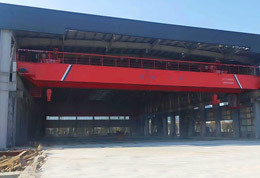
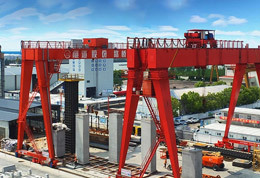
Overhead cranes, often referred to as bridge cranes, are sophisticated lifting devices designed to handle heavy loads with precision and safety. These cranes are typically mounted on elevated tracks, allowing them to traverse large industrial spaces while minimizing the footprint required for operation. They are a staple in manufacturing facilities, warehouses, and construction sites due to their
Author:
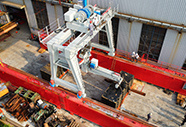
One of the primary components of an overhead crane is the hoist, which is responsible for lifting and lowering loads. Hoists can be electrically or manually operated, depending on the specific requirements of the application. Electric hoists are more common, offering improved control and speed, which can enhance productivity in fast-paced environments.
Overhead cranes come in various configurations, including single girder and double girder designs. Single girder cranes are generally lighter and more cost-effective, suitable for smaller applications. In contrast, double girder cranes are more robust, capable of lifting heavier loads and covering wider spans. Choosing the right configuration depends on the specific needs of the operation, including load capacity, span, and vertical lift height.
Safety is paramount when operating overhead cranes. Operators must be trained to understand the equipment's limitations and safety features. Regular maintenance checks are essential to ensure the crane operates smoothly and safely over time. Safety measures such as limit switches, emergency stop buttons, and load indicators are integral parts of overhead crane systems, designed to prevent accidents and protect workers.
Moreover, technology has significantly enhanced the functionality of overhead cranes. Modern systems often include advanced features such as remote controls, smart sensors, and integration with warehouse management systems (WMS). These innovations not only improve operational efficiency but also provide real-time data for better decision-making and resource management.
In summary, overhead cranes are vital tools in the industrial sector, designed to facilitate the safe and efficient movement of heavy goods. Understanding their components, configurations, and safety protocols is crucial for maximizing their effectiveness in any application. By investing in the right overhead crane solution and adhering to stringent safety practices, businesses can enhance productivity while ensuring a safe working environment for their employees.
Key words:
Related news
WeChat:
+86 18888789997
E-mail:
New plant area:
Gaojing Village, Dongguan Street, Shangyu District, Shaoxing City, Zhejiang Province
SEND AN INQUIRY
*Leave your contact information to get a free product quote
Be a professional lifting equipment design manufacturer