Zhejiang Zhongjian Road&Bridge Machinery Co., Ltd


-
-
About us
-
-
Engineering
-
Contact
-


17
2025
-
12
Overhead Crane Systems: A Comprehensive Guide for Beginners
Overhead Crane Systems: A Comprehensive Guide for Beginners Table of Contents Understanding Overhead Crane Systems Types of Overhead Cranes Bridge Cranes Gantry Cranes Jib Cranes Components of Overhead Crane Systems How Overhead Cranes Work Applications of Overhead Cranes Safety Measures for Overhead Cranes Choosing
Author:
Overhead Crane Systems: A Comprehensive Guide for Beginners
Table of Contents
- Understanding Overhead Crane Systems
- Types of Overhead Cranes
- Components of Overhead Crane Systems
- How Overhead Cranes Work
- Applications of Overhead Cranes
- Safety Measures for Overhead Cranes
- Choosing the Right Overhead Crane
- Maintenance of Overhead Crane Systems
- Frequently Asked Questions
Understanding Overhead Crane Systems
Overhead crane systems are vital equipment in various industries, facilitating the efficient movement of heavy loads within a specified area. These systems consist of a hoisting mechanism suspended from a horizontal beam that runs along rails mounted on the building's structure or dedicated columns. **Understanding the fundamental components and functionalities of overhead cranes** is essential for anyone involved in manufacturing, construction, or logistics.
Types of Overhead Cranes
There are several types of overhead cranes, each designed to meet specific operational needs. Understanding these variations can help businesses choose the most suitable crane for their operations.
Bridge Cranes
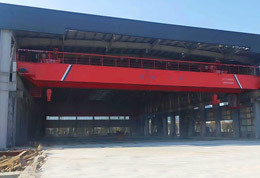
**Bridge cranes**, or overhead traveling cranes, are the most common type found in industrial settings. These cranes consist of two horizontal beams that span the width of the workspace, allowing for lateral movement across the entire area. **They are ideal for large warehouses and manufacturing setups**, providing maximum coverage and efficiency.
Gantry Cranes
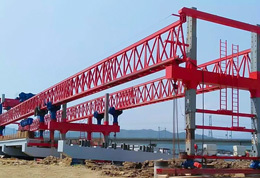
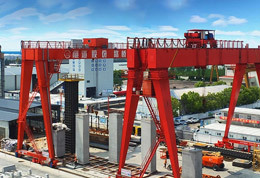
**Gantry cranes** are similar to bridge cranes but are supported by legs that move on wheels or tracks on the ground. This construction makes them portable, allowing for versatility in applications. Gantry cranes are often employed in outdoor environments, such as construction sites or shipping yards, where overhead structures are not possible.
Jib Cranes
**Jib cranes** feature a horizontal arm (jib) that extends from a vertical mast. These cranes are commonly used to lift and move loads in a limited area. Their design allows for rotating the arm, which offers flexibility and ease of use in confined spaces or assembly lines.
Components of Overhead Crane Systems
To fully grasp how overhead cranes operate, it’s important to understand the key components that make up these systems:
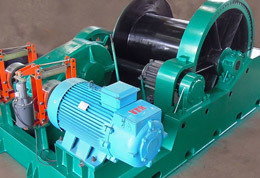
- **Hoist**: The hoist is the mechanism that lifts and lowers the load. It can be electrically powered or operated manually.
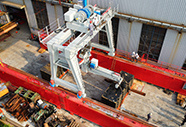
- **Trolley**: The trolley moves along the beams of the crane and carries the hoist.
- **Bridge**: The bridge is the main horizontal structure that spans the workspace, connecting the two end trucks.
- **End Trucks**: These are located at either end of the bridge and allow the crane to move along the runway.
- **Runway**: The runway provides the track for the crane to travel and is usually mounted on the building's structure.
Understanding these components allows operators to troubleshoot issues effectively and maintain optimal performance.
How Overhead Cranes Work
Overhead cranes operate using a combination of mechanical and electrical systems. The basic principle involves the **conversion of electrical energy into mechanical energy** for moving heavy loads. Here’s a simplified breakdown of the working mechanism:
1. **Power Supply**: The crane is powered by electricity, which drives the hoist and trolley motors.
2. **Control System**: Operators use a control pendant or remote control to manage the crane’s movements, including lifting, lowering, and traversing loads.
3. **Movement**: The hoist lifts the load vertically, while the trolley and bridge allow for horizontal movements. The design permits precise control, making it easier to maneuver heavy materials around the workspace.
4. **Safety Features**: Most cranes are equipped with safety features such as limit switches, emergency stops, and overload sensors to ensure safe operations.
Applications of Overhead Cranes
Overhead cranes have a wide range of applications across various sectors:
- **Manufacturing**: Used to move components along assembly lines and facilitate production processes.
- **Construction**: Essential for lifting heavy materials, equipment, and structural components on building sites.
- **Shipping and Warehousing**: Help in loading and unloading heavy goods from trucks, containers, and storage areas.
- **Automotive**: Assist in moving large automotive parts during the manufacturing process.
The versatility of overhead cranes makes them indispensable in any industry that requires the transportation of heavy loads.
Safety Measures for Overhead Cranes
Ensuring safety in crane operations is crucial to prevent accidents and injuries. Here are some essential safety measures to consider:
1. **Regular Inspections**: Conduct thorough inspections of the crane components, ensuring that all parts are functioning correctly and are free of damage.
2. **Training**: Operators should be trained and certified in crane operation and safety protocols.
3. **Load Limits**: Always adhere to the crane's load limits to prevent overloading, which can lead to catastrophic failures.
4. **Use of Safety Equipment**: Provide operators with personal protective equipment (PPE) and ensure that safety features are functional.
5. **Clear Communication**: Implement clear communication protocols between operators and ground personnel during crane operations.
Implementing these safety measures can significantly reduce the risk of accidents and enhance operational efficiency.
Choosing the Right Overhead Crane
Selecting the appropriate overhead crane necessitates careful consideration of several factors:
- **Load Capacity**: Determine the maximum weight the crane will need to lift based on your specific applications.
- **Span Length**: Assess the width of the workspace and the required span for the crane's bridge.
- **Height of Lift**: Evaluate how high the crane needs to lift loads to determine the appropriate hoist.
- **Environment**: Consider whether the crane will be used indoors or outdoors, as this affects the design and materials used.
By aligning your crane selection with your operational requirements, you can enhance productivity and safety.
Maintenance of Overhead Crane Systems
Regular maintenance of overhead cranes is vital for longevity and operational efficiency. A comprehensive maintenance plan should include:
- **Daily Checks**: Inspect the crane before each shift for any visible issues, ensuring that the hoist and controls are functioning correctly.
- **Routine Servicing**: Schedule regular servicing by qualified technicians to address wear and tear on components.
- **Lubrication**: Ensure that moving parts are well-lubricated to prevent friction-related issues.
- **Documentation**: Keep records of all maintenance activities and inspections for compliance and safety audits.
Adopting a proactive maintenance strategy will help prevent unexpected breakdowns and ensure safe operation.
Frequently Asked Questions
What is the maximum load an overhead crane can lift?
The maximum load an overhead crane can lift varies greatly depending on its design and specifications, with some cranes capable of lifting up to several hundred tons.
How often should overhead cranes be inspected?
Overhead cranes should be inspected at least annually, with more frequent checks recommended based on usage intensity and operating conditions.
What are the common causes of crane accidents?
Common causes of crane accidents include operator error, equipment failure, and inadequate safety measures.
Can overhead cranes be used outdoors?
Yes, overhead cranes can be designed for outdoor use, particularly in the form of gantry cranes.
How can I improve the safety of my overhead crane operations?
Improving safety can be achieved through regular training, adherence to safety protocols, and ensuring all safety features are operational.
Conclusion
Overhead crane systems are essential tools for lifting and moving heavy loads across various industries. Understanding their types, components, and operations is crucial for maximizing their efficiency and ensuring safety. By adhering to best practices in maintenance and safety, businesses can optimize performance and reduce risks. Whether you’re a beginner or someone looking to enhance your knowledge, this comprehensive guide serves as a valuable resource for navigating the complexities of overhead crane systems.
Key words:
Related news
WeChat:
+86 18888789997
E-mail:
New plant area:
Gaojing Village, Dongguan Street, Shangyu District, Shaoxing City, Zhejiang Province
SEND AN INQUIRY
*Leave your contact information to get a free product quote
Be a professional lifting equipment design manufacturer