Zhejiang Zhongjian Road&Bridge Machinery Co., Ltd


-
-
About us
-
-
Engineering
-
Contact
-

12
2025
-
12
Understanding Overhead Cranes: Essential Insights for Industrial Professionals
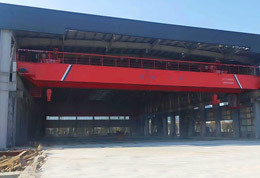
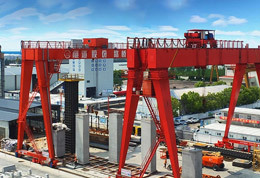
Overhead cranes are pivotal in the industrial equipment sector, particularly within the realm of lifting and handling heavy materials. These cranes are designed to move loads horizontally and vertically, allowing for efficient material transport across large areas of a workspace. Their structure typically consists of a bridge that spans the width of a workspace, supported by end trucks that run on
Author:
The functionality of an overhead crane is driven by its components: the hoist, trolley, and the control system. The hoist is responsible for lifting and lowering the load, while the trolley enables lateral movement along the bridge. The control system, which can be manual or automated, allows operators to dictate the crane's movements precisely. This versatility makes overhead cranes suitable for various applications, from manufacturing and assembly to warehousing and shipping operations.
One of the key benefits of overhead cranes is their ability to maximize vertical space. In environments where floor space is limited, these cranes can operate at height, utilizing the ceiling area for storage and movement. This capability not only enhances space utilization but also contributes to a safer working environment by keeping walkways clear of obstructions.
Safety is paramount when operating overhead cranes. Regular maintenance is crucial to ensure their reliability and to prevent accidents. Operators should be trained in proper handling techniques and understand load limits to avoid overloading, which can lead to equipment failure. Additionally, incorporating safety features such as limit switches, emergency stop buttons, and overload protection can significantly enhance operational safety.
In terms of design, overhead cranes can be customized to meet specific industry needs. Various configurations, such as single girder and double girder systems, provide flexibility depending on the load capacities and span requirements. Furthermore, advanced technologies, including remote controls and automated systems, are increasingly being integrated into overhead crane designs, improving efficiency and reducing human error.
In summary, understanding the intricacies of overhead cranes is essential for professionals in the industrial sector. From their fundamental components to their safety measures and customization options, these cranes play a vital role in enhancing productivity and safety in material handling operations. By staying informed about the best practices and technological advancements in overhead crane systems, companies can optimize their operations and ensure a safer working environment.
Key words:
Related news
WeChat:
+86 18888789997
E-mail:
New plant area:
Gaojing Village, Dongguan Street, Shangyu District, Shaoxing City, Zhejiang Province
SEND AN INQUIRY
*Leave your contact information to get a free product quote
Be a professional lifting equipment design manufacturer