Zhejiang Zhongjian Road&Bridge Machinery Co., Ltd


-
-
About us
-
-
Engineering
-
Contact
-

07
2025
-
12
The Benefits of Integrating Overhead Cranes in Your Facility
The Benefits of Integrating Overhead Cranes in Your Facility Table of Contents Introduction to Overhead Cranes Types of Overhead Cranes Bridge Cranes Gantry Cranes Jib Cranes Advantages of Integrating Overhead Cranes Enhanced Safety Standards Increased Efficiency and Productivity Space Optimization Cost Benefits of Overhead Cranes
Author:
The Benefits of Integrating Overhead Cranes in Your Facility
Table of Contents
- Introduction to Overhead Cranes
- Types of Overhead Cranes
- Advantages of Integrating Overhead Cranes
- Cost Benefits of Overhead Cranes
- Installation Considerations for Overhead Cranes
- Maintenance Requirements
- Case Studies: Successful Integration of Overhead Cranes
- Frequently Asked Questions
- Conclusion
Introduction to Overhead Cranes
Overhead cranes have become essential tools in various industrial settings, ranging from manufacturing plants to warehouses. They are designed to lift and move heavy materials efficiently, providing a mechanized solution that enhances manual labor. By integrating these cranes into your facility, you can streamline operations and significantly improve the handling and transportation of materials, ultimately leading to enhanced productivity and safety.
Types of Overhead Cranes
Understanding the different types of overhead cranes is crucial to selecting the right one for your facility's needs. Each type has unique characteristics that cater to various applications.
Bridge Cranes
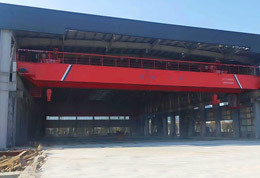
Bridge cranes consist of a horizontal beam that runs on tracks along the length of the facility. This design allows for a broad range of motion, making them ideal for lifting and moving heavy loads across large areas. They can be configured as single or double girder systems, depending on the weight capacity required.
Gantry Cranes
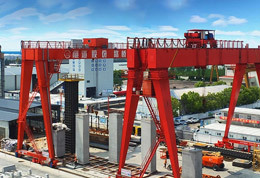
Gantry cranes are similar to bridge cranes but are typically supported by legs that run on the floor rather than overhead tracks. This makes them versatile for outdoor use or in locations where overhead structures are not feasible. Gantry cranes are often used in shipyards and manufacturing plants for heavy lifting tasks.
Jib Cranes
Jib cranes are smaller and provide a limited range of motion. They consist of a horizontal arm (jib) that is mounted on a vertical column, allowing for lifting and moving materials within a specific area. Jib cranes are perfect for workstation applications where precise movements are required, such as assembly lines or repair shops.
Advantages of Integrating Overhead Cranes
Integrating overhead cranes into your facility offers numerous advantages that can significantly improve operations.
Enhanced Safety Standards
Safety is paramount in any industrial environment. Overhead cranes can enhance safety by reducing the risk of injuries associated with manual lifting and transporting heavy materials. With features like load sensors and emergency stop buttons, these cranes help ensure that operations are conducted safely, thus minimizing workplace accidents.
Increased Efficiency and Productivity
Overhead cranes streamline the material handling process, allowing workers to focus on their core tasks without the physical strain of moving heavy loads. This increased efficiency leads to higher productivity levels, as materials can be transported quickly and seamlessly between different workstations.
Space Optimization
One of the significant benefits of overhead cranes is their ability to optimize facility space. By utilizing vertical space, they free up floor areas for other essential operations. This vertical lifting capability allows for better organization and maximization of storage spaces, contributing to a more efficient workflow.
Cost Benefits of Overhead Cranes
While the initial investment in overhead cranes may seem substantial, the long-term cost benefits are undeniable. By reducing labor costs, minimizing injuries, and increasing productivity, businesses can see a solid return on investment. Moreover, when overhead cranes are properly maintained, their durability can lead to significant savings compared to other lifting equipment.
Installation Considerations for Overhead Cranes
When integrating overhead cranes into your facility, several factors must be considered to ensure a successful installation.
1. **Space Assessment**: Evaluate the available space to determine the type of crane that best fits your operational needs.
2. **Load Requirements**: Consider the maximum load capacities required and choose a crane that meets these needs.
3. **Infrastructure**: Ensure that your facility can support the installation, including ceiling height and structural integrity.
4. **Regulatory Compliance**: Familiarize yourself with local and national regulations regarding overhead crane operations to ensure compliance.
Maintenance Requirements
Regular maintenance is crucial to keep overhead cranes operating efficiently and safely. Establishing a routine inspection schedule can identify potential issues before they become significant problems. Key maintenance practices include checking:
- Mechanical components for wear and tear
- Electrical systems for proper functionality
- Load limits to prevent overloading
- Safety features to ensure they are operational
Case Studies: Successful Integration of Overhead Cranes
Several companies have successfully integrated overhead cranes, resulting in enhanced operations and productivity.
- **Manufacturing Facility**: A manufacturing plant that integrated a bridge crane increased its production capacity by 30%. The crane allowed for seamless movement of raw materials, reducing downtime significantly.
- **Warehouse Operation**: A distribution center that used gantry cranes reported a 25% reduction in labor costs due to the efficient movement of goods. This optimization led to quicker order fulfillment and improved customer satisfaction.
Frequently Asked Questions
1. What types of industries benefit from overhead cranes?
Various industries, including manufacturing, construction, and shipping, benefit from integrating overhead cranes due to their efficiency in handling heavy materials.
2. How often should overhead cranes be inspected?
Overhead cranes should be inspected regularly, ideally on a monthly basis, to ensure safe and efficient operation.
3. Can overhead cranes be customized for specific needs?
Yes, overhead cranes can be designed and customized to meet specific operational requirements, including load capacity and reach.
4. What safety features should I look for in an overhead crane?
Key safety features include load limit indicators, emergency stop buttons, and safety locks to prevent accidental operation.
5. What is the average lifespan of an overhead crane?
With proper maintenance, overhead cranes can last anywhere from 20 to 30 years, making them a durable investment for facilities.
Conclusion
Incorporating overhead cranes into your facility can lead to significant operational improvements, including enhanced safety, increased efficiency, and optimized space utilization. By understanding the different types of cranes, their advantages, and the considerations for installation and maintenance, businesses can make informed decisions that positively impact productivity and the bottom line. Investing in overhead cranes is an investment in the future of your operations, paving the way for a safer and more efficient working environment.
Key words:
Related news
WeChat:
+86 18888789997
E-mail:
New plant area:
Gaojing Village, Dongguan Street, Shangyu District, Shaoxing City, Zhejiang Province
SEND AN INQUIRY
*Leave your contact information to get a free product quote
Be a professional lifting equipment design manufacturer