Zhejiang Zhongjian Road&Bridge Machinery Co., Ltd


-
-
About us
-
-
Engineering
-
Contact
-





05
2025
-
12
Maximizing Safety in the Workplace with Gantry Cranes: A Comprehensive Guide
Maximizing Safety in the Workplace with Gantry Cranes Table of Contents 1. Introduction to Gantry Cranes 2. The Importance of Safety in the Workplace 3. Understanding Gantry Cranes 4. Types of Gantry Cranes and Their Applications 5. Essential Safety Protocols for Gantry Cranes 6. Best Practices for Gantry Crane Maintenance 7. Training and Competency for Crane Opera
Author:
Maximizing Safety in the Workplace with Gantry Cranes
Table of Contents
- 1. Introduction to Gantry Cranes
- 2. The Importance of Safety in the Workplace
- 3. Understanding Gantry Cranes
- 4. Types of Gantry Cranes and Their Applications
- 5. Essential Safety Protocols for Gantry Cranes
- 6. Best Practices for Gantry Crane Maintenance
- 7. Training and Competency for Crane Operators
- 8. Common Issues with Gantry Cranes and How to Solve Them
- 9. Conclusion
- 10. Frequently Asked Questions (FAQs)
1. Introduction to Gantry Cranes
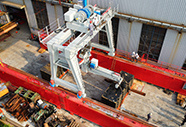
Gantry cranes are pivotal in many industrial settings, providing a robust solution for lifting and transporting heavy materials. These cranes consist of a hoist, a beam, and a frame that supports the system and allows for movement across a designated area. As industries continue to evolve, **maximizing safety** while utilizing these machines becomes increasingly crucial. Ensuring that workers are protected from accidents and injuries is not only a legal requirement but also a moral obligation.
2. The Importance of Safety in the Workplace
Workplace safety is paramount, especially in environments involving heavy machinery. The implications of neglecting safety protocols can be severe, including injuries, fatalities, and significant financial losses. Implementing effective safety measures not only safeguards employees but also enhances productivity. Organizations that prioritize safety benefit from improved morale and reduced operational costs.
2.1 Legal Responsibilities
Employers have a legal duty to provide a safe working environment. Regulations, such as the Occupational Safety and Health Administration (OSHA) standards in the United States, outline requirements for operating cranes. Failing to comply can lead to hefty fines and legal ramifications.
2.2 Financial Implications
Accidents can result in costly medical bills, legal fees, and damage to equipment. Investing in safety training and proper equipment can result in long-term savings and a better bottom line.
3. Understanding Gantry Cranes
Gantry cranes operate by using a horizontal beam supported by two or more legs, which can move along tracks. They are designed to lift and transport heavy loads efficiently, making them indispensable in construction, manufacturing, and warehousing.
3.1 Key Components
Understanding the components of gantry cranes is essential for safe operation. These include:
- **Hoist**: The mechanism that lifts and lowers the load.
- **Beam**: The horizontal structure that supports the hoist.
- **Legs**: Vertical supports that provide stability and allow for movement.
- **Wheels**: Facilitate movement along a track.
3.2 Load Capacity
Every gantry crane has a specific load capacity, which must never be exceeded. Operators should always be aware of the weight limits to prevent accidents and equipment damage.
4. Types of Gantry Cranes and Their Applications
Different types of gantry cranes serve various purposes. Understanding these can help organizations choose the right crane for their specific needs.
4.1 Portable Gantry Cranes
Portable gantry cranes are lightweight and can be easily moved and set up in different locations. They are ideal for smaller jobs and have a lower load capacity.
4.2 Full Gantry Cranes
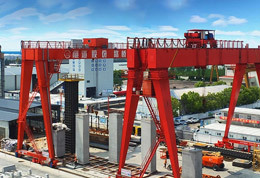
Full gantry cranes, which are larger and more robust, are typically found in manufacturing and shipping industries. They can handle heavier loads and are fixed in place.
4.3 Adjustable Gantry Cranes
These cranes offer flexibility in height and width adjustments, making them versatile for various applications. Their adaptability allows for use in different projects without needing multiple cranes.
5. Essential Safety Protocols for Gantry Cranes
To maximize safety when using gantry cranes, organizations need to establish comprehensive safety protocols:
5.1 Pre-Operation Inspections
Before using a gantry crane, operators must conduct thorough inspections. This includes checking the hoist, controls, and structural integrity for any signs of wear or damage.
5.2 Load Calculations
Prior to lifting, operators should calculate the load weight to ensure it is within the safe lifting capacity of the crane. Using load indicators can aid in this process.
5.3 Proper Communication
Clear communication among team members is vital. Establishing hand signals or using radios can help convey messages effectively, especially in noisy environments.
5.4 Personal Protective Equipment (PPE)
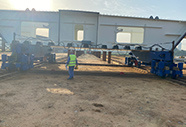
All personnel involved in crane operations must wear appropriate PPE, including hard hats, gloves, and steel-toed boots, to minimize the risk of injury.
5.5 Emergency Procedures
Having emergency procedures in place ensures that employees know what to do in case of an accident or equipment failure. Regular drills can help reinforce these procedures.
6. Best Practices for Gantry Crane Maintenance
Regular maintenance is crucial for ensuring the safety and longevity of gantry cranes. Here are essential maintenance practices:
6.1 Routine Inspections
Schedule routine inspections to assess the condition of all crane components, including the hoist, beams, and electrical systems.
6.2 Lubrication
Regularly lubricate moving parts to prevent wear and tear. This helps in maintaining the crane's efficiency and operational safety.
6.3 Record-Keeping
Maintain detailed records of inspections, maintenance, and repairs. This documentation can be crucial for compliance and safety audits.
7. Training and Competency for Crane Operators
A well-trained operator is one of the most effective safety measures in any workplace utilizing gantry cranes.
7.1 Certification Programs
Implement certification programs that cover theoretical knowledge and practical skills. This ensures that operators understand the equipment and safety protocols.
7.2 Ongoing Training
Safety training should be ongoing. Regular refresher courses will keep operators updated on the latest safety protocols and technologies.
7.3 Mentorship
Pairing inexperienced operators with seasoned professionals can enhance learning and safety awareness. Mentorship programs can create a culture of safety within the organization.
8. Common Issues with Gantry Cranes and How to Solve Them
Even with the best practices in place, issues can arise. Here are some common problems and their solutions:
8.1 Overloading
Overloading can lead to equipment failure and accidents. Always adhere to the load capacity guidelines. Implement weight monitoring systems for added safety.
8.2 Mechanical Failures
Routine inspections can help identify mechanical failures before they become serious issues. Establish a maintenance schedule to ensure all parts are functioning correctly.
8.3 Operator Error
Human error is a significant risk factor. Continuous training and fostering a culture of safety can mitigate this risk.
9. Conclusion
Gantry cranes play a vital role in various industrial applications, but their safe operation is paramount. By establishing comprehensive safety protocols, investing in training, and adhering to maintenance best practices, organizations can significantly reduce the risk of accidents and injuries. Prioritizing safety is not just a regulatory requirement but a commitment to the well-being of every employee. With the right approach, gantry cranes can enhance productivity while maintaining a safe working environment.
10. Frequently Asked Questions (FAQs)
Q1: What is the maximum load capacity for gantry cranes?
A1: The load capacity varies depending on the specific model and manufacturer. It is essential to check the specifications for each crane before operation.
Q2: How often should gantry cranes be inspected?
A2: Gantry cranes should undergo regular inspections as per manufacturer recommendations and industry regulations, typically every six months or annually.
Q3: Do operators need certification to use gantry cranes?
A3: Yes, operators should be certified and trained in safe operating procedures to ensure compliance with safety regulations.
Q4: What types of materials can gantry cranes lift?
A4: Gantry cranes are designed to lift a wide range of materials, including heavy machinery, construction materials, and manufactured goods.
Q5: Can gantry cranes be used outdoors?
A5: Yes, many gantry cranes are suitable for outdoor use, but it's critical to consider weather conditions and ensure stability on uneven surfaces.
Key words:
Related news
WeChat:
+86 18888789997
E-mail:
New plant area:
Gaojing Village, Dongguan Street, Shangyu District, Shaoxing City, Zhejiang Province
SEND AN INQUIRY
*Leave your contact information to get a free product quote
Be a professional lifting equipment design manufacturer