Zhejiang Zhongjian Road&Bridge Machinery Co., Ltd


-
-
About us
-
-
Engineering
-
Contact
-





30
2025
-
11
Understanding Gantry Cranes: Key Insights for Industrial Professionals
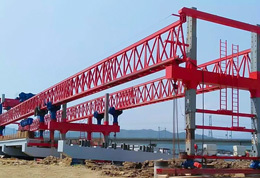
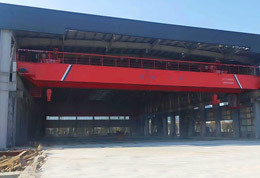
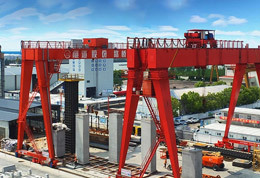
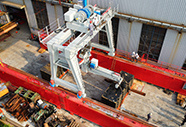
Gantry cranes are a type of overhead crane that consists of a hoist, bridge, and supports, creating a unique structure that allows for versatile movement of heavy loads. Unlike traditional overhead cranes, which are typically stationary, gantry cranes can be designed to move along tracks, providing enhanced mobility for lifting and transporting materials across large areas. Their design typically
Author:
One of the primary advantages of gantry cranes is their adaptability. They can be configured in various sizes and capacities to cater to different industrial needs. From small-scale applications in workshops to larger configurations in warehouses or construction sites, gantry cranes can accommodate a wide range of lifting tasks. This versatility makes them an ideal choice for businesses that require efficient material handling solutions.
Gantry cranes are commonly used in several industries, including manufacturing, construction, shipping, and logistics. In manufacturing settings, they facilitate the movement of heavy components during assembly processes. In construction, gantry cranes can be employed to lift and place materials at elevated heights, improving productivity and safety. The shipping industry also benefits from gantry cranes, as they are often used to load and unload containers from ships, enhancing operational efficiency at ports.
Safety is a paramount concern when operating gantry cranes. Proper training and adherence to safety protocols are essential to prevent accidents and ensure safe operations. Operators should be familiar with the crane's controls, load limits, and safety features. Regular maintenance and inspections are crucial to keep the gantry crane in optimal working condition and to identify any potential issues before they escalate.
In terms of installation, gantry cranes typically require a flat, stable surface for setup. Depending on the design, they may be permanent or temporary structures. Portable gantry cranes, which can be easily assembled and disassembled, are particularly popular for tasks requiring mobility. These cranes can be moved from one location to another, making them convenient for various applications.
In conclusion, understanding the functionality, applications, and safety considerations of gantry cranes is essential for industrial professionals looking to enhance their operations. Their versatility and efficiency make them a valuable asset in a range of settings, and proper usage can lead to significant improvements in productivity and safety in the workplace. Investing time in learning about gantry cranes can yield substantial benefits for businesses aiming to optimize their material handling processes.
Key words:
Related news
WeChat:
+86 18888789997
E-mail:
New plant area:
Gaojing Village, Dongguan Street, Shangyu District, Shaoxing City, Zhejiang Province
SEND AN INQUIRY
*Leave your contact information to get a free product quote
Be a professional lifting equipment design manufacturer