Zhejiang Zhongjian Road&Bridge Machinery Co., Ltd


-
-
About us
-
-
Engineering
-
Contact
-

27
2025
-
11
Choosing the Right Overhead Crane for Your Manufacturing Needs
Choosing the Right Overhead Crane for Your Manufacturing Needs Table of Contents 1. Introduction to Overhead Cranes 2. Importance of Selecting the Right Overhead Crane 3. Types of Overhead Cranes 3.1 Bridge Cranes 3.2 Gantry Cranes 3.3 Jib Cranes 3.4 Monorail Cranes 4. Essential Features to Consider 5. Determini
Author:
Choosing the Right Overhead Crane for Your Manufacturing Needs
Table of Contents
- 1. Introduction to Overhead Cranes
- 2. Importance of Selecting the Right Overhead Crane
- 3. Types of Overhead Cranes
- 4. Essential Features to Consider
- 5. Determining Load Capacity Requirements
- 6. Evaluating Your Facility Environment
- 7. Safety Considerations for Overhead Cranes
- 8. Maintenance and Longevity of Overhead Cranes
- 9. Conclusion
- 10. Frequently Asked Questions
1. Introduction to Overhead Cranes
Overhead cranes are vital in modern manufacturing environments, providing the necessary support for lifting and moving heavy materials effortlessly. Whether you are managing a factory, warehouse, or shipping yard, understanding the functionality and variety of overhead cranes is essential to enhancing operational efficiency.
Overhead cranes typically consist of a hoist, trolley, and bridge that work together to lift and move loads across a defined area. This equipment can significantly reduce the risk of injury, streamline workflows, and improve overall productivity.
2. Importance of Selecting the Right Overhead Crane
Selecting the right overhead crane is crucial for several reasons:
- **Efficiency**: The right crane can optimize workflow and minimize downtime during material handling.
- **Safety**: Choosing a crane tailored to your specific needs can reduce accidents and injuries.
- **Cost-Effectiveness**: Investing in the appropriate crane can save costs associated with repairs and maintenance in the long run.
- **Flexibility**: A well-chosen crane can adapt to various lifting tasks, enhancing versatility in operations.
3. Types of Overhead Cranes
Understanding the different types of overhead cranes is the first step in making an informed decision. Here, we delve into the major categories:
3.1 Bridge Cranes
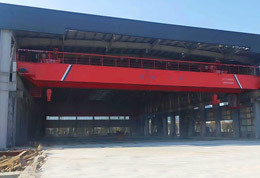
Bridge cranes consist of two runways that support a movable bridge. The hoist moves along the bridge to lift and transport loads. This type is ideal for large manufacturing facilities and offers excellent coverage.
3.2 Gantry Cranes
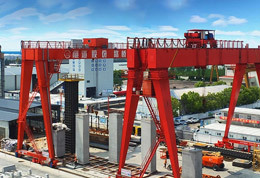
Gantry cranes are similar to bridge cranes but feature a support structure that stands on legs, allowing them to be positioned anywhere. They are commonly used for outdoor applications and are ideal for moving heavy loads across large areas.
3.3 Jib Cranes
Jib cranes provide flexibility in smaller workspaces. They consist of a horizontal arm (jib) that pivots, allowing workers to lift loads within a limited area. Jib cranes are perfect for assembly lines or localized tasks.
3.4 Monorail Cranes
Monorail cranes operate on a single track and are suitable for transporting materials along a fixed path. They are often used in production lines and are cost-effective for light to moderate loads.
4. Essential Features to Consider
When choosing an overhead crane, several features should be taken into account to ensure optimal performance:
- **Load Capacity**: Ensure that the crane can handle the maximum weight of the materials you need to lift.
- **Span**: Consider the distance between the runways; a longer span typically allows for greater coverage.
- **Hoist Speed**: The speed at which the hoist operates can significantly impact productivity.
- **Control System**: Choose between manual, semi-automated, or fully automated systems based on your facility's needs.
- **Power Source**: Overhead cranes can be powered electrically or pneumatically; selecting the right power source is crucial for efficiency.
5. Determining Load Capacity Requirements
Calculating the appropriate load capacity is vital to prevent potential accidents and equipment failure. Begin with the following steps:
1. **Identify Maximum Loads**: Assess the heaviest items you will be lifting, including any additional rigging or attachments.
2. **Factor in Safety Margins**: Consult industry standards to determine the necessary safety factor, typically ranging from 1.5 to 2 times the maximum load.
3. **Consider Regular Load Fluctuations**: If your operations involve varying loads, ensure the crane's capacity can accommodate these fluctuations.
6. Evaluating Your Facility Environment
The environment in which your overhead crane will operate is crucial for determining the right type and specifications. Consider the following factors:
- **Space Constraints**: Measure the available height and width to ensure the crane will fit without obstructing other operations.
- **Floor Conditions**: Ensure that the flooring can support the weight of the crane and the loads it will carry.
- **Temperature and Conditions**: If your facility operates in extreme temperatures or hazardous environments, choose a crane that can withstand these conditions.
7. Safety Considerations for Overhead Cranes
Safety must always be a priority when selecting an overhead crane. Some key considerations include:
- **Regular Inspections**: Establish a maintenance schedule to inspect the crane regularly for wear and tear.
- **Employee Training**: Ensure all operators are trained in the proper use of the crane, including emergency procedures.
- **Compliance with Regulations**: Follow local and national safety regulations to avoid legal liabilities.
8. Maintenance and Longevity of Overhead Cranes
Investing in regular maintenance is essential for the longevity of your overhead crane. Consider the following maintenance tips:
- **Lubrication**: Regularly lubricate moving parts to reduce friction and wear.
- **Inspection of Components**: Routinely inspect cables, hooks, and other components for signs of damage.
- **Professional Servicing**: Schedule periodic professional checks to identify potential issues before they become serious problems.
9. Conclusion
Choosing the right overhead crane is a critical decision that can significantly impact your manufacturing operations. By understanding the various types of cranes, their essential features, and the specific requirements of your facility, you can make an informed choice that enhances productivity, safety, and cost-efficiency. Investing the time to evaluate your needs will pay off in the long run, allowing your organization to operate smoothly and effectively.
10. Frequently Asked Questions
1. What factors should I consider when choosing an overhead crane?
The main factors include load capacity, environment, space constraints, and specific operational needs.
2. How often should I maintain my overhead crane?
Regular maintenance inspections should be conducted at least once a year, with more frequent checks for high-use cranes.
3. Are there specific regulations for overhead cranes?
Yes, overhead cranes must comply with local and national safety regulations, which vary by region.
4. How do I determine the right load capacity for my crane?
Assess the maximum weight you'll lift, factor in safety margins, and consider any load fluctuations.
5. Can overhead cranes be customized for specific applications?
Yes, many manufacturers offer customization options to fit specific operational needs and environments.
By following the guidelines and considerations outlined in this article, we can ensure that your choice of overhead crane leads to improved efficiency and safety in your manufacturing processes.
Key words:
Related news
WeChat:
+86 18888789997
E-mail:
New plant area:
Gaojing Village, Dongguan Street, Shangyu District, Shaoxing City, Zhejiang Province
SEND AN INQUIRY
*Leave your contact information to get a free product quote
Be a professional lifting equipment design manufacturer