Zhejiang Zhongjian Road&Bridge Machinery Co., Ltd


-
-
About us
-
-
Engineering
-
Contact
-

21
2025
-
11
The Role of Form Traveller in Optimizing Construction Workflow
The Role of Form Traveller in Optimizing Construction Workflow Introduction to Form Travellers in Construction In the ever-evolving world of construction, the quest for **efficiency** and **innovation** is paramount. One such innovation that has gained significant traction is the **form traveller**. This specialized equipment is designed to improve the **workflow** on construction sites, particula
Author:
The Role of Form Traveller in Optimizing Construction Workflow
Introduction to Form Travellers in Construction
In the ever-evolving world of construction, the quest for **efficiency** and **innovation** is paramount. One such innovation that has gained significant traction is the **form traveller**. This specialized equipment is designed to improve the **workflow** on construction sites, particularly in the construction of bridges and large-scale structures. By facilitating the construction of concrete structures in an effective manner, form travellers have transformed traditional methods, leading to enhanced productivity and reduced operational costs.
Understanding Form Travellers: A Comprehensive Overview
What is a Form Traveller?
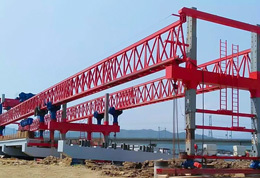
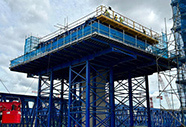
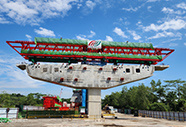
A form traveller is a device that allows workers to construct large concrete structures, such as bridges, in segments. It moves along the structure, supporting the formwork used to pour concrete. This method not only streamlines the construction process but also ensures high-quality results. Unlike traditional scaffolding, form travellers enable continuous placement of concrete, drastically reducing the time required for construction.
Types of Form Travellers
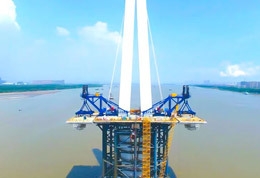
There are primarily two types of form travellers: **balanced cantilever form travellers** and **in-situ form travellers**. Each has its unique applications:
- **Balanced Cantilever Form Travellers**: These are utilized for constructing bridges where spans must be built outward from a fixed point. They are particularly beneficial in locations where access is limited.
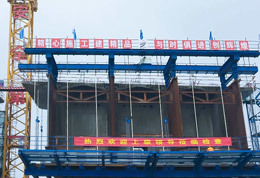
- **In-situ Form Travellers**: This type is used primarily for constructing large wall sections and slabs in situ, offering flexibility and adaptability on-site.
The Importance of Form Travellers in Modern Construction
Enhancing Construction Efficiency
The integration of form travellers into construction workflows can significantly enhance **efficiency**. By enabling the simultaneous execution of multiple construction tasks, they allow for faster project completion times. This efficiency is not just about speed but also about reducing the idle time traditionally associated with concrete curing processes. As a result, construction teams can move on to subsequent phases sooner, ultimately leading to **timely project delivery**.
Cost-Effectiveness and Resource Optimization
Implementing form travellers can lead to substantial cost savings. By minimizing the need for extensive scaffolding and associated labor, contractors can reduce both material and labor costs. Furthermore, the precision of form travellers results in less material wastage and rework, contributing to a more streamlined budget. This **cost-effective solution** is particularly appealing for large infrastructure projects where every penny counts.
Form Travellers and Safety Standards in Construction
Improving Worksite Safety
Safety is a significant concern in the construction industry, and form travellers can play a crucial role in mitigating risks. By providing a stable and secure platform for workers, they reduce the likelihood of accidents associated with traditional scaffolding. Additionally, modern form travellers are equipped with advanced safety features that protect both workers and the integrity of the structure being built.
Compliance with Regulatory Standards
Form travellers must meet strict industry regulations and safety standards. Ensuring compliance not only protects the workforce but also contributes to the overall success of the project. Regular inspections and maintenance of the equipment help uphold these standards and ensure that the workflow remains uninterrupted.
The Workflow Optimization Process with Form Travellers
Streamlining Project Phases
The use of form travellers allows for better synchronization of various project phases. As the form traveller moves along the structure, different teams can work simultaneously, whether it be the concrete pouring crew or the finishing team. This **streamlined workflow** minimizes delays and enhances coordination among teams.
Technological Integration for Enhanced Workflow
Modern form travellers often incorporate advanced technology such as **GPS tracking** and automated control systems. These technological advancements facilitate real-time monitoring of construction progress and immediate adjustments as needed, leading to improved productivity and quality control.
Case Studies: Successful Implementation of Form Travellers
Case Study 1: The XYZ Bridge Project
The XYZ Bridge Project serves as an exemplary model of how form travellers can revolutionize construction methods. By employing balanced cantilever form travellers, the project completed its spans two months ahead of schedule while remaining under budget. The precise placement of concrete ensured structural integrity, minimizing the need for rework.
Case Study 2: Urban Infrastructure Development
In an urban infrastructure development project, the use of in-situ form travellers allowed for the construction of large wall sections without disrupting surrounding traffic. The efficiency gained from this method not only reduced road closures but also improved safety for both workers and the public.
Challenges and Considerations in Using Form Travellers
Initial Investment and Training
While the long-term benefits of form travellers are clear, the initial investment in equipment and training can be a barrier for some companies. It is essential to conduct a thorough cost-benefit analysis to understand the potential return on investment.
Site-Specific Factors
Each construction site presents unique challenges, such as geographic and environmental factors. Assessing these site-specific conditions is crucial for determining the feasibility and effectiveness of implementing form travellers. Proper planning and site evaluations can lead to successful outcomes.
Future Trends in Form Traveller Technology
Innovations and Advancements
The future of form traveller technology looks promising, with ongoing research and development aimed at enhancing efficiency and safety. Innovations such as **smart formwork** and robotic automation are on the horizon, promising to further optimize construction workflows.
Sustainable Practices in Construction
As the industry moves towards more sustainable practices, the role of form travellers will be critical. By reducing waste and improving resource efficiency, they align with the goals of green construction. Future designs are likely to incorporate more eco-friendly materials and practices.
Conclusion: The Indispensable Role of Form Travellers in Construction
In conclusion, form travellers are indispensable tools in optimizing construction workflows. Their ability to enhance efficiency, reduce costs, improve safety, and adapt to modern technological advancements makes them a vital component in the construction industry. As we look to the future, the continuous evolution of form traveller technology will undoubtedly play a significant role in meeting the demands of an increasingly complex construction landscape.
Frequently Asked Questions (FAQs)
1. What is the primary function of a form traveller?
The primary function of a form traveller is to support the formwork used in pouring concrete for large structures, enabling continuous construction with improved efficiency.
2. How do form travellers enhance construction safety?
Form travellers provide a stable platform for workers, reducing the risk of falls and accidents associated with traditional scaffolding.
3. Are form travellers cost-effective for all types of construction projects?
While form travellers offer significant cost savings for large infrastructure projects, their feasibility and cost-effectiveness should be evaluated on a case-by-case basis.
4. What are the technological advancements associated with modern form travellers?
Modern form travellers often incorporate technologies such as GPS tracking and automated control systems that facilitate real-time monitoring and adjustments during construction.
5. How can construction companies ensure compliance with safety standards when using form travellers?
Regular inspections, maintenance, and adherence to industry regulations help construction companies ensure safety compliance when using form travellers.
By understanding the critical role of form travellers in optimizing workflows, construction professionals can leverage these tools to enhance project outcomes and achieve greater efficiency in their operations.
Key words:
Related news
WeChat:
+86 18888789997
E-mail:
New plant area:
Gaojing Village, Dongguan Street, Shangyu District, Shaoxing City, Zhejiang Province
SEND AN INQUIRY
*Leave your contact information to get a free product quote
Be a professional lifting equipment design manufacturer