Zhejiang Zhongjian Road&Bridge Machinery Co., Ltd


-
-
About us
-
-
Engineering
-
Contact
-




17
2025
-
11
Enhancing Workplace Safety with Overhead Cranes: A Comprehensive Guide
How Overhead Cranes Enhance Safety in the Workplace Table of Contents 1. Understanding Overhead Cranes 2. Key Safety Features of Overhead Cranes 3. The Role of Overhead Cranes in Accident Prevention 4. Best Practices for Using Overhead Cranes Safely 5. Training and Certification for Crane Operators 6. Regular Maintenance and Inspections of Overhead Cranes 7. Case Studies: Success Stories of Overhe
Author:
How Overhead Cranes Enhance Safety in the Workplace
Table of Contents
1. Understanding Overhead Cranes
2. Key Safety Features of Overhead Cranes
3. The Role of Overhead Cranes in Accident Prevention
4. Best Practices for Using Overhead Cranes Safely
5. Training and Certification for Crane Operators
6. Regular Maintenance and Inspections of Overhead Cranes
7. Case Studies: Success Stories of Overhead Crane Implementation
8. Frequently Asked Questions
9. Conclusion
1. Understanding Overhead Cranes
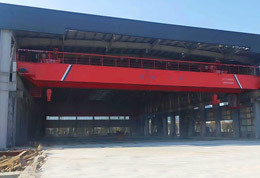
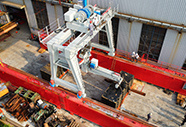
Overhead cranes are essential tools in various industries, designed to lift and move heavy loads with precision and efficiency. Unlike traditional forklifts, overhead cranes operate on a system of rails suspended above the working area, allowing for maximum maneuverability and minimal ground space usage. This design not only enhances productivity but also plays a crucial role in improving safety in the workplace.
The primary components of an overhead crane include the bridge, hoist, and trolley. Together, these elements enable the crane to execute complex lifting operations, often in confined spaces where other lifting equipment may struggle. Understanding the mechanics and capabilities of overhead cranes is fundamental for maximizing their safety features.
2. Key Safety Features of Overhead Cranes
Overhead cranes come equipped with several safety features designed to protect both operators and workers in the surrounding area. Some of the most significant safety features include:
Load Limit Switches
Load limit switches are essential safety devices that prevent the crane from lifting beyond its rated capacity. These switches automatically halt operations when the load exceeds safe limits, reducing the risk of equipment failure and accidents.
Emergency Stop Buttons
Every overhead crane should be equipped with easily accessible emergency stop buttons. These allow operators to immediately halt crane operations in case of an emergency, ensuring rapid response to potential hazards.
Anti-Collision Systems
Overhead cranes often operate in busy environments with multiple machines and personnel present. Anti-collision systems use sensors and alarms to prevent cranes from colliding with other equipment or structures, significantly enhancing safety.
Regular Safety Inspections
Frequent safety inspections are vital in identifying potential issues before they escalate into serious problems. Proper maintenance schedules and thorough inspections help ensure that all safety features function correctly, thereby protecting the workforce.
3. The Role of Overhead Cranes in Accident Prevention
Accidents in industrial workplaces can have severe consequences, not only affecting employee safety but also resulting in costly downtime and equipment damage. Overhead cranes play a crucial role in preventing accidents through their specialized design and operational features.
Reduction of Manual Handling Risks
One of the most significant safety advantages of overhead cranes is their ability to reduce manual handling requirements. By lifting and transporting heavy materials, overhead cranes minimize the physical strain on workers, significantly lowering the risk of injuries caused by lifting or carrying heavy loads.
Enhanced Visibility and Control
Operators of overhead cranes typically have a better vantage point, allowing for improved visibility of the load and surrounding area. This increased awareness enables operators to execute lifts more safely and accurately, minimizing the likelihood of accidents.
Streamlined Workflow
Overhead cranes facilitate a more organized workflow by reducing the need for workers to move around heavy loads. With the crane handling most of the lifting and transporting, workers can focus on their specific tasks, leading to a safer and more efficient working environment.
4. Best Practices for Using Overhead Cranes Safely
To maximize the safety benefits of overhead cranes, implementing best practices is essential. Here are several key strategies:
Conduct Pre-Operational Checks
Before using an overhead crane, operators should perform thorough pre-operational checks. This includes inspecting safety features, ensuring that the load is within limits, and verifying that the workspace is clear of obstacles.
Use Proper Rigging Techniques
Proper rigging is crucial for safe crane operations. Operators must ensure that loads are securely attached and that rigging equipment is appropriate for the job. Using the correct rigging techniques minimizes the risk of load shift or drop during operation.
Communicate Effectively
Clear communication among crane operators and ground personnel is vital for safety. Establishing hand signals or using two-way radios can help coordinate movements and prevent misunderstandings that could lead to accidents.
Limit Distractions in the Work Area
To ensure that operators remain focused, it is essential to limit distractions in the crane's operating area. Clear signage and designated pathways can help to keep other workers away during crane operations.
5. Training and Certification for Crane Operators
Proper training and certification of crane operators are fundamental for maintaining safety in the workplace. Certified operators are equipped with the knowledge and skills necessary to operate overhead cranes safely and efficiently.
Understanding Crane Operations
Training programs should cover all aspects of crane operations, including basic mechanics, safety features, load calculations, and emergency procedures. Operators who understand the intricacies of their equipment are better prepared to handle unexpected situations.
Regular Refresher Courses
Safety regulations and technologies are constantly evolving. Providing regular refresher courses ensures that operators remain up to date on best practices and new safety features, further promoting a culture of safety within the organization.
6. Regular Maintenance and Inspections of Overhead Cranes
Regular maintenance is key to ensuring that overhead cranes operate safely and effectively. An effective maintenance program should include:
Scheduled Inspections
Scheduled inspections should be conducted by qualified personnel to assess the condition of the crane and its components. These inspections should follow industry standards and manufacturer recommendations to ensure compliance and safety.
Preventive Maintenance
Preventive maintenance involves routine tasks such as lubricating moving parts, checking for wear and tear, and replacing outdated components. Implementing a preventive maintenance schedule helps to prevent unexpected breakdowns and accidents.
7. Case Studies: Success Stories of Overhead Crane Implementation
Examining real-world applications of overhead cranes highlights their impact on workplace safety and efficiency.
Case Study 1: Manufacturing Facility
A manufacturing facility implemented overhead cranes to move heavy components. As a result, they reported a 40% reduction in workplace injuries related to lifting and carrying heavy loads, showcasing the cranes’ effectiveness in enhancing safety.
Case Study 2: Warehouse Operations
A warehouse upgraded to overhead cranes for handling inventory. This change not only improved their operational efficiency but also decreased the likelihood of accidents from forklifts and manual handling, leading to a safer work environment.
8. Frequently Asked Questions
What types of overhead cranes are available?
There are several types of overhead cranes, including bridge cranes, gantry cranes, and jib cranes, each designed for specific applications and load capacities.
How often should overhead cranes be inspected?
Overhead cranes should be inspected at least once a year, with more frequent inspections recommended based on usage and environmental conditions.
Can overhead cranes be used outdoors?
Yes, some overhead cranes are designed for outdoor use, particularly gantry cranes. However, it’s essential to consider environmental factors and ensure proper maintenance to prevent corrosion and wear.
What qualifications are needed to operate an overhead crane?
Operators must typically complete a training program and obtain certification from a recognized organization to ensure they have the necessary skills and knowledge for safe operation.
What are the common hazards associated with overhead cranes?
Common hazards include load drop, operator error, and collisions with personnel or equipment. Implementing safety measures can help mitigate these risks.
9. Conclusion
Overhead cranes are invaluable assets in various industries, significantly enhancing safety in the workplace. By understanding their features, implementing best practices, and ensuring proper training and maintenance, organizations can create a safer working environment. The combination of advanced technology and rigorous safety protocols allows businesses to minimize accidents, streamline operations, and protect their most valuable asset—their workforce. Investing in overhead cranes is not just a decision for operational efficiency; it’s a commitment to ensuring the safety and well-being of all employees.
Key words:
Related news
WeChat:
+86 18888789997
E-mail:
New plant area:
Gaojing Village, Dongguan Street, Shangyu District, Shaoxing City, Zhejiang Province
SEND AN INQUIRY
*Leave your contact information to get a free product quote
Be a professional lifting equipment design manufacturer