Zhejiang Zhongjian Road&Bridge Machinery Co., Ltd


-
-
About us
-
-
Engineering
-
Contact
-



15
2025
-
11
The Ultimate Guide to Choosing the Right Gantry Crane for Your Needs
The Ultimate Guide to Choosing the Right Gantry Crane for Your Needs When it comes to lifting heavy materials in industrial settings, selecting the right gantry crane is crucial for efficiency, safety, and productivity. With a variety of options available, understanding your specific needs and the features of each crane is essential. This guide will explore the key aspects to consider when choosin
Author:
The Ultimate Guide to Choosing the Right Gantry Crane for Your Needs
When it comes to lifting heavy materials in industrial settings, selecting the right gantry crane is crucial for efficiency, safety, and productivity. With a variety of options available, understanding your specific needs and the features of each crane is essential. This guide will explore the key aspects to consider when choosing a gantry crane, ensuring you make the best decision for your operations.
Table of Contents
- Understanding Gantry Cranes
- Types of Gantry Cranes
- Key Specifications and Features
- Calculating Load Capacity
- Considering Crane Height and Span
- Safety Considerations in Gantry Cranes
- Maintenance and Durability
- Making the Final Decision
- FAQs about Gantry Cranes
Understanding Gantry Cranes
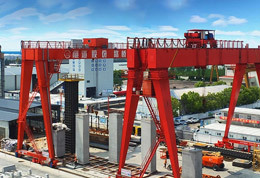
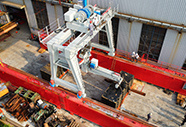
A gantry crane is a type of lifting equipment that consists of a movable bridge supported by two or more legs. This design allows for flexibility in lifting and moving heavy loads across a designated area. Gantry cranes are utilized in various industries, including manufacturing, construction, and shipping, thanks to their versatility and ease of use.
Types of Gantry Cranes
1. Full Gantry Cranes
Full gantry cranes have legs that are fixed to the ground, providing stability and support for lifting heavy loads. These cranes are ideal for outdoor applications, such as shipping yards and warehouses.
2. Portable Gantry Cranes
For applications where mobility is essential, portable gantry cranes offer the flexibility to move the crane from one location to another. These cranes are typically lightweight and can be easily assembled and disassembled.
3. Adjustable Gantry Cranes
Adjustable gantry cranes allow users to modify the height and span of the crane. This adaptability makes them suitable for a wide range of lifting applications, accommodating various load sizes and workspace constraints.
Key Specifications and Features
1. Load Capacity
Determining the load capacity is a critical factor when selecting a gantry crane. It is essential to choose a crane that can safely handle the maximum weight of the materials you will be lifting. Consider both the weight of the loads and any additional equipment that may be used in conjunction with the crane.
2. Lifting Height
The lifting height is another vital specification. Ensure that the gantry crane can reach the required height for your operations, allowing for safe and efficient lifting. Measure the maximum height needed and choose a crane that can accommodate this requirement.
3. Span Length
The span length refers to the distance between the legs of the gantry crane. This measurement is crucial for determining the area that the crane can cover. Select a span length that suits your workspace and provides adequate coverage for your lifting tasks.
4. Material Construction
Gantry cranes can be constructed from various materials, including steel and aluminum. Steel cranes are known for their durability and strength, making them ideal for heavy lifting. Aluminum cranes, while lighter and more portable, may not be suitable for extremely heavy loads. Consider the material based on your specific lifting needs.
Calculating Load Capacity
Understanding how to calculate load capacity is vital when selecting a gantry crane. Start by assessing the weight of items you plan to lift. It is advisable to choose a crane with a load capacity that exceeds the maximum weight by at least 25% for added safety.
Additionally, consider the dynamic loads that may occur during lifting. These include factors like the speed of lifting and any movement while the load is suspended. By factoring in these aspects, you can ensure you choose a gantry crane that meets your operational requirements without compromising safety.
Considering Crane Height and Span
Crane height and span are critical factors that directly impact your lifting operations. Measure the available workspace to determine the appropriate dimensions for your gantry crane.
1. Workspace Constraints
If you have limited vertical space, a low-profile gantry crane may be the best choice. Conversely, if you require a tall lift height for specific tasks, ensure your selected crane meets those vertical requirements.
2. Operational Environment
Consider whether your gantry crane will be used indoors or outdoors. Outdoor applications may require cranes with weather-resistant features, while indoor cranes may need to fit within existing structural limitations. Take these elements into account to ensure you select the right crane for your environment.
Safety Considerations in Gantry Cranes
Ensuring safety during operations is paramount when working with gantry cranes. Here are several safety features to consider:
1. Emergency Stop Features
A reliable gantry crane should include emergency stop mechanisms that allow operators to halt operations immediately in case of an emergency. This feature enhances safety and minimizes the risk of accidents.
2. Overload Protection
Overload protection systems can prevent the crane from lifting loads that exceed its specified capacity. This safety feature helps to mitigate the risk of structural failure and potential injuries.
3. Regular Inspections and Maintenance
Regular maintenance is essential for ensuring the safety and reliability of your gantry crane. Implementing a maintenance schedule that includes inspections, lubrication, and checks for wear and tear can prolong the life of the crane and prevent accidents.
Maintenance and Durability
Choosing a gantry crane that offers durability and ease of maintenance is crucial for long-term use. Look for cranes made from high-quality materials that can withstand the demands of regular lifting operations. Additionally, consider the availability of replacement parts and support from manufacturers for maintenance needs.
1. Maintenance Protocols
Establishing a routine maintenance protocol will help ensure the longevity of your gantry crane. This includes cleaning, lubrication, and inspection of critical components such as pulleys, wheels, and the structure itself.
2. Environmental Impact
Consider the operating environment of your crane. Cranes exposed to harsh conditions, such as extreme temperatures or corrosive materials, may require additional protective features and coatings to enhance durability.
Making the Final Decision
After evaluating the various factors mentioned, it’s time to make a final decision. Compile all the information regarding load capacity, height, span, safety features, and maintenance requirements. Compare multiple models and manufacturers to find the best fit for your needs. Don't hesitate to reach out to manufacturers for advice or custom solutions tailored to your specific applications.
FAQs about Gantry Cranes
1. What is the difference between a gantry crane and a hoist?
A gantry crane is a complete system designed for lifting and moving loads, while a hoist is a lifting component that can be part of a crane system or used independently.
2. Can I use a gantry crane outdoors?
Yes, many gantry cranes are designed for outdoor use, but it’s essential to select one with weather-resistant features to ensure durability and safety.
3. How do I know what size gantry crane I need?
Consider the weight of the loads you plan to lift, the available workspace, and the maximum height and span required for your lifting operations.
4. Are portable gantry cranes strong enough for heavy lifting?
Portable gantry cranes can handle varying load capacities, but it’s essential to select one specifically rated for the weight you need to lift.
5. What maintenance is required for a gantry crane?
Regular inspections, lubrication, and checks for wear and tear are essential. Adhering to a maintenance schedule will help prolong the life of your crane and ensure safe operation.
Conclusion
Choosing the right gantry crane is an essential step in optimizing your lifting operations. By assessing factors such as load capacity, height, span, safety features, and maintenance requirements, you can make an informed decision that aligns with your industrial needs. This comprehensive guide serves as a valuable resource to navigate the complexities of selecting a gantry crane, ensuring that you invest in equipment that enhances efficiency, safety, and productivity in your operations.
Key words:
Related news
WeChat:
+86 18888789997
E-mail:
New plant area:
Gaojing Village, Dongguan Street, Shangyu District, Shaoxing City, Zhejiang Province
SEND AN INQUIRY
*Leave your contact information to get a free product quote
Be a professional lifting equipment design manufacturer