Zhejiang Zhongjian Road&Bridge Machinery Co., Ltd


-
-
About us
-
-
Engineering
-
Contact
-



14
2025
-
11
Mastering the Art of Overhead Crane Safety: What You Need to Know
Dive into essential safety tips and considerations for operating an overhead crane effectively.
Author:
Understanding Overhead Cranes
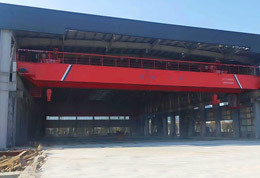
Overhead cranes are the workhorses of many industries, from manufacturing to shipping. These powerful machines are designed to lift and move heavy loads with precision. But, just like any powerful tool, they come with their own set of rules and precautions. So, let's get into the nitty-gritty of what you should keep in mind.
The Importance of Proper Training
Alright, here's the deal: operating an overhead crane isn't just a walk in the park. It requires thorough training. Operators need to understand the controls, load capacities, and safety protocols. Without proper training, you're not just risking damage to the equipment—you're putting lives on the line. So, don't skip this step!
Pre-Operation Inspections: A Must-Do
Before you even think about swinging that hook, you need to perform a pre-operation inspection. This includes checking the crane for any signs of wear and tear, ensuring all safety devices are functional, and verifying that the load is within the crane's limits. Remember, a few minutes spent inspecting could save hours of downtime and potential accidents.
Load Limits: Know Them!
One of the cardinal rules of crane operation is to never exceed the load limits. Each crane has a specific capacity, and it's crucial to adhere to it. Overloading can lead to catastrophic failures. It's like trying to fit a square peg in a round hole—just doesn't work!
Communication is Key
When operating an overhead crane, effective communication is vital. Make sure all team members are aware of hand signals or radio commands. Clear communication can prevent misunderstandings that could lead to accidents. So, don't just assume everyone's on the same page—double-check!
Environmental Factors
Keep your eyes peeled for environmental factors that could impact crane operation. Weather conditions, such as high winds or rain, can affect stability. Additionally, be aware of your surroundings—overhead obstructions, power lines, and bystanders can all pose serious threats. Always plan your lift and keep a clear zone around the load.
Post-Operation Protocols
Once you've completed your lifting tasks, don't just walk away. Make sure to properly secure the overhead crane and any loads that were moved. Document any issues encountered during operation and report them promptly for maintenance. Keeping a clean workspace and ensuring everything is in order is just as important as the lift itself!
The Bottom Line
The world of overhead cranes can be daunting, but with the right approach, you can master it. By prioritizing safety, communication, and proper training, you'll not only improve efficiency but also create a safer working environment for everyone. Remember, safety first, folks! So, gear up, stay alert, and lift wisely!
Key words:
Related news
WeChat:
+86 18888789997
E-mail:
New plant area:
Gaojing Village, Dongguan Street, Shangyu District, Shaoxing City, Zhejiang Province
SEND AN INQUIRY
*Leave your contact information to get a free product quote
Be a professional lifting equipment design manufacturer