Zhejiang Zhongjian Road&Bridge Machinery Co., Ltd


-
-
About us
-
-
Engineering
-
Contact
-

07
2025
-
11
Maximize Efficiency with Overhead Cranes in Your Industrial Operations
Maximize Efficiency with Overhead Cranes in Your Industrial Operations Table of Contents Understanding Overhead Cranes Types of Overhead Cranes Benefits of Using Overhead Cranes Key Components of Overhead Cranes Installation Considerations for Overhead Cranes Maintenance and Safety Practices Efficiency-Enhancing Techniques Case Studies and Applications Conclusi
Author:
Maximize Efficiency with Overhead Cranes in Your Industrial Operations
Table of Contents
- Understanding Overhead Cranes
- Types of Overhead Cranes
- Benefits of Using Overhead Cranes
- Key Components of Overhead Cranes
- Installation Considerations for Overhead Cranes
- Maintenance and Safety Practices
- Efficiency-Enhancing Techniques
- Case Studies and Applications
- Conclusion
- FAQs
Understanding Overhead Cranes
Overhead cranes are vital in modern industrial operations, providing an efficient solution for lifting and moving heavy loads. These machines are designed to operate in environments such as warehouses, manufacturing floors, and shipping yards. By utilizing a system of pulleys, hoists, and supports, overhead cranes can significantly reduce the time and effort required for material handling.
The design of an overhead crane allows it to move loads along a horizontal plane, maximizing workspace efficiency. Unlike traditional forklifts, which require extensive floor space and can be cumbersome, overhead cranes streamline operations, enabling easier access to materials and reducing the risk of workplace accidents.
Types of Overhead Cranes
Understanding the different types of overhead cranes is crucial for choosing the right one for your operations. Here are the main types:
Bridge Cranes
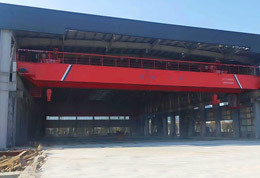
Bridge cranes consist of two parallel runways with a bridge that moves along them. They are highly versatile and can be used for various applications, making them ideal for manufacturing facilities.
Gantry Cranes
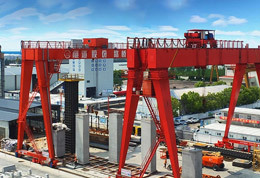
Gantry cranes operate similarly to bridge cranes but are supported by legs that move on wheels or rails. Their design allows for flexibility in outdoor and indoor settings.
Jib Cranes
Jib cranes feature a horizontal arm that pivots around a vertical support. They are perfect for loading and unloading tasks and can be stationary or mobile, depending on the need.
Monorail Cranes
Monorail cranes consist of a single rail along which a hoist travels. They are used in environments with limited space and provide efficient material handling.
Benefits of Using Overhead Cranes
The implementation of overhead cranes in industrial operations offers several advantages that can significantly improve productivity and efficiency:
Increased Productivity
Overhead cranes can lift and move heavy materials quickly and safely. By automating the lifting process, workers can focus on other tasks, leading to increased overall productivity.
Enhanced Safety
Safety is paramount in any industrial setting. Overhead cranes reduce the risk of workplace injuries by minimizing manual handling of heavy loads. With proper training and safety protocols, the likelihood of accidents decreases significantly.
Space Optimization
Using overhead cranes allows for vertical storage and movement of materials, freeing up valuable floor space. This optimization can lead to improved workflow and accessibility to materials.
Durability and Reliability
Modern overhead cranes are built to withstand heavy use and harsh conditions, ensuring long-term reliability and reducing downtime due to equipment failure.
Key Components of Overhead Cranes
To maximize the efficiency of overhead cranes, understanding their components is essential. Key components include:
Hoist
The hoist is the mechanism responsible for lifting and lowering loads. It typically consists of a motor, drum, and hook.
Bridge
The bridge is the framework that spans the area where the load is lifted. It must be strong enough to support the weight being moved.
Runways
Runways are the tracks along which the bridge travels. Proper installation and alignment are crucial for smooth operation.
Controls
Modern overhead cranes come with sophisticated control systems, including pendant controls and remote operations, allowing for precise maneuvering of loads.
Installation Considerations for Overhead Cranes
Installing an overhead crane requires careful planning and consideration to ensure optimal performance and safety.
Site Assessment
Before installation, a thorough site assessment is necessary to determine the best crane type and layout. Factors such as ceiling height, load capacity, and workspace should be evaluated.
Load Capacity Analysis
Understanding the maximum load the crane will handle is crucial for selecting the right model and ensuring safety standards are met.
Compliance with Regulations
All installations must comply with local and national safety regulations. Working with experienced professionals can help ensure adherence to these standards.
Maintenance and Safety Practices
Regular maintenance of overhead cranes is vital for safety and operational efficiency.
Routine Inspections
Conducting routine inspections helps identify wear and tear before it leads to equipment failure. This includes checking the hoist, controls, and structural components.
Lubrication and Cleaning
Keeping moving parts lubricated and clean can minimize friction and prevent premature wear. A regular cleaning schedule should be established.
Operator Training
Proper training for crane operators is essential for safety and efficiency. Training should cover safe operation procedures and emergency protocols.
Efficiency-Enhancing Techniques
To truly maximize the efficiency of overhead cranes, consider implementing the following techniques:
Load Management
Effective load management practices include properly distributing weight and ensuring the load is secure before moving. This practice minimizes the risk of accidents and equipment damage.
Technology Integration
Incorporating technology, such as automated systems and load monitoring, can enhance the capabilities of overhead cranes. Smart systems provide real-time data for better decision-making.
Regular Training Updates
As technology and safety standards evolve, regular training updates for operators are necessary to ensure they are informed of the latest best practices and procedures.
Case Studies and Applications
Examining real-world applications of overhead cranes can provide insight into their effectiveness across various industries.
Manufacturing Facilities
In manufacturing environments, overhead cranes are used to move raw materials and finished products, significantly speeding up production times.
Warehousing and Distribution
In warehouses, overhead cranes streamline the process of retrieving and storing goods, leading to increased throughput and improved inventory management.
Construction Sites
Overhead cranes are also employed in construction sites to lift heavy materials to various heights, enhancing the efficiency of building processes and reducing labor costs.
Conclusion
Overhead cranes are invaluable tools that can maximize efficiency in industrial operations. By understanding their types, benefits, components, and maintenance requirements, businesses can enhance productivity and safety while optimizing space. Implementing best practices and embracing technological advancements will ensure that your overhead cranes contribute significantly to your operational success.
FAQs
1. What industries commonly use overhead cranes?
Overhead cranes are widely used in manufacturing, warehousing, construction, and shipping industries.
2. How do I determine the right overhead crane for my needs?
Consider factors such as load capacity, workspace dimensions, and specific operational requirements when selecting an overhead crane.
3. What is the expected lifespan of an overhead crane?
With proper maintenance, overhead cranes can last 20 years or longer, depending on usage and environmental conditions.
4. Are there any safety certifications required for operating overhead cranes?
Yes, operators must complete training and may need certifications based on local regulations and safety standards.
5. How often should overhead cranes be inspected?
Routine inspections should occur at least once a month, with more frequent checks recommended for high-use cranes.
Key words:
Related news
WeChat:
+86 18888789997
E-mail:
New plant area:
Gaojing Village, Dongguan Street, Shangyu District, Shaoxing City, Zhejiang Province
SEND AN INQUIRY
*Leave your contact information to get a free product quote
Be a professional lifting equipment design manufacturer