Zhejiang Zhongjian Road&Bridge Machinery Co., Ltd


-
-
About us
-
-
Engineering
-
Contact
-

02
2025
-
11
Understanding Overhead Cranes: Key Insights for Industrial Applications
Overhead cranes are vital components in the realm of industrial equipment, specifically within the lifting and material handling sectors. Their design allows for efficient movement of heavy loads across a defined workspace, significantly enhancing productivity and safety in various applications. Understanding how overhead cranes work and their advantages is essential for professionals in the field
Author:
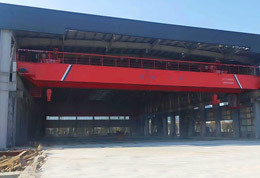
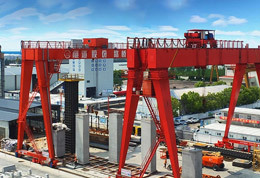
An overhead crane typically consists of a bridge beam that spans the width of the workspace, supported by two end trucks that run along parallel tracks mounted above. The crane's hoisting mechanism, which can be a chain, wire rope, or a similar device, is used to lift and lower loads. Many overhead cranes also incorporate a trolley system that enables lateral movement along the bridge, offering unparalleled maneuverability.
One of the primary benefits of using an overhead crane is its ability to maximize vertical space. Unlike traditional forklifts, which require ample ground space to navigate, overhead cranes utilize the full height of a facility, allowing for stacking of materials and better organization of the workspace. This vertical optimization can lead to significant savings in floor space, which is particularly beneficial in environments where space is limited.
Safety is another critical aspect of overhead crane systems. These cranes are designed with various safety features, including overload limit switches, emergency stop buttons, and anti-collision systems. Regular maintenance and inspections are essential to ensure these safety measures function correctly and to prevent accidents in the workplace. Understanding the operational limits and adhering to proper usage guidelines can further enhance safety and efficiency.
Moreover, overhead cranes can be customized to meet the specific needs of different industries. Factors such as load capacity, span length, and control systems can be tailored to suit the unique requirements of various applications, from manufacturing and construction to warehousing and distribution. This versatility makes overhead cranes an invaluable asset across multiple sectors.
In conclusion, overhead cranes are indispensable tools in the industrial equipment landscape, offering significant advantages in efficiency, safety, and space management. By understanding their design, functionality, and the benefits they provide, professionals can leverage these systems to optimize their operations and drive productivity. Whether you are looking to invest in new equipment or improve existing setups, gaining insights into overhead cranes will empower informed decision-making in your facility.
Key words:
Related news
WeChat:
+86 18888789997
E-mail:
New plant area:
Gaojing Village, Dongguan Street, Shangyu District, Shaoxing City, Zhejiang Province
SEND AN INQUIRY
*Leave your contact information to get a free product quote
Be a professional lifting equipment design manufacturer